When most homeowners evaluate an exterior renovation, they focus on the invoice: the number at the bottom of the estimate that determines whether the project fits this year’s budget. But that number tells only a fraction of the story. The real cost of an exterior upgrade is what you pay over 10, 20, or 30 years, not just on installation day, and the cheapest option upfront is very often the most expensive option over time.
Lifetime value, rather than sticker price, is the smarter framework for evaluating any major exterior renovation. In this guide, we will walk through the key upgrades that define a home’s exterior, including roofing, siding, windows, gutters, and entry doors, and analyze each through the lens of lifespan, maintenance savings, and energy efficiency. Think of this as a renovation cost comparison tool designed to help you make confident, long-term home investment decisions. At DiGiorgi Roofing & Siding, we have spent decades helping Connecticut homeowners understand the difference between a cheap job and a smart investment, and our full-service exterior remodeling team approaches every project with that long view in mind.
Table of Contents
ToggleWhy Sticker Price Is the Wrong Way to Evaluate Exterior Long-Term Home Investments
The ‘cheap now, expensive later’ trap is one of the most common and costly mistakes homeowners make. Low-bid contractors win jobs by cutting corners on materials, labor, and installation practices, and those shortcuts come back as repairs, premature replacements, and energy losses within just a few years.
A bid like that comes in thousands of dollars below the others is rarely a bargain; it is usually a signal that something is being left out, whether that is proper flashing, quality underlayment, manufacturer-approved fasteners, or the experienced labor needed to install everything correctly. The smarter way to think about any exterior project is total cost of ownership: the upfront price plus every dollar you will spend on repairs, replacements, and wasted energy over the entire lifespan of the upgrade.
When you run the numbers this way, the math frequently favors the premium option by a wide margin. A quality installation from a reputable contractor can cost less over a 20-year horizon than two or three budget replacements stacked end to end, especially once you factor in the labor and disposal costs of tearing out failed work. It is important to frame this honestly: the real-world decision most homeowners face is not whether to hire DiGiorgi or do the work themselves, but whether to hire a quality contractor or a budget competitor. That distinction matters enormously, because lenders, appraisers, and buyers increasingly factor material quality and contractor reputation into home valuations, meaning the choice affects not just your maintenance costs but your home’s appraised value and resale appeal.
Roofing: The Upgrade That Protects Every Other Investment
Lifespan and Material Quality Differences
The gap between budget and premium roofing is dramatic. Basic 3-tab shingles typically last 15 to 20 years, while architectural or impact-resistant shingles installed correctly can last 30 to 50 years. Improper installation by low-cost contractors routinely voids manufacturer warranties and shortens effective roof life by years, erasing any savings from the lower bid. A premium roof installed once often outlasts two cheaper roofs, which makes the renovation cost comparison straightforward when you account for the full timeline. Our professional roofing services are built around getting it right the first time.
Energy Savings and Reduced Maintenance Costs
A roof is far more than shingles. Proper ventilation, underlayment, and insulation integration work together within complete roofing systems to reduce heating and cooling costs year-round, and a well-installed roof can significantly reduce attic heat gain, lowering the load on your HVAC system every summer. The downside of a cheap install goes well beyond the roof itself: a failing roof leads to cascading damage to insulation, drywall, and framing that multiplies the true cost of the original shortcut many times over. The roof protects every other investment in the home, which is why it is the worst place to cut corners.
Siding: Curb Appeal That Pays You Back
Material Lifespan and Performance Over Time
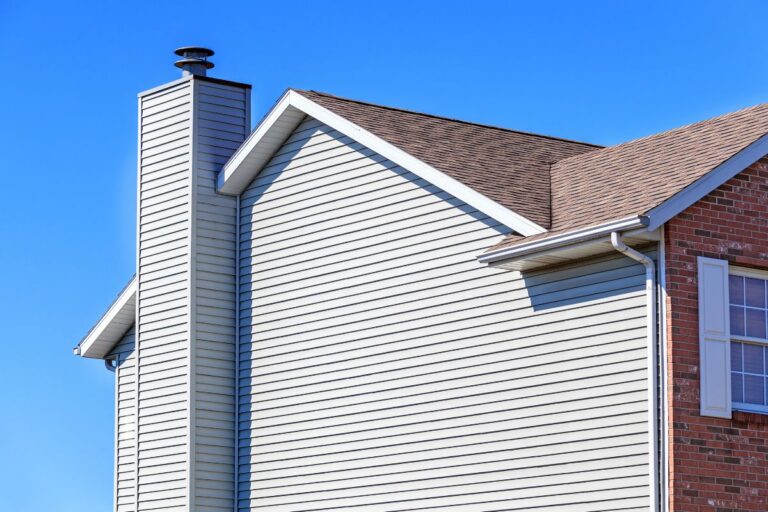
Siding materials vary widely in lifespan, moisture resistance, and maintenance requirements. Vinyl siding is affordable and low-maintenance; engineered wood offers a natural look with moderate durability, and fiber cement siding, properly installed, can last 50 years or more with minimal upkeep, a clear long-term home investment advantage. The danger with budget siding is what happens behind the panels: weather-resistant siding depends on proper moisture barriers and flashing, and skipping those details leads to rot, mold, and structural damage within just a few years. Our siding installation services prioritize the moisture management details that budget crews skip.
ROI and Home Value Impact
Siding replacement consistently ranks among the highest-ROI exterior renovations at resale, a finding reinforced year after year by the Cost vs. Value Report, making it one of the smartest investments a homeowner can make. Quality installation preserves warranty coverage and gives buyers confidence, which translates to faster sales and stronger resale values. The contrast with budget siding is stark: poorly installed siding jobs are exactly the kind of thing that buyers and home inspectors flag as red flags during the sale process, turning what should be an asset into a negotiating liability that costs you at the closing table.
Windows: Where Energy Efficiency Meets Long-Term Savings
The Real Cost of Cheap Window Installation
Window installation is where cutting corners shows up fastest. Improper sealing, poor flashing, and low-grade frames lead to drafts, condensation, and water intrusion within a few years. A budget window install often requires remediation work down the line, including repainting, recaulking, and trim replacement, which quietly erodes any upfront savings. The difference often comes down to labor: an experienced installer adds hours of careful work that a budget crew skips entirely, and the consequences of those skipped hours last for decades. Energy-efficient windows and proper window replacements are as much about installation craftsmanship as they are about the product itself. Quality window and door replacement is as much about installation craftsmanship as it is about the product itself.
Energy Savings as a Measurable Return on Investment
Windows offer one of the most measurable returns of any exterior upgrade. Double or triple-pane windows with low-E glass dramatically outperform older or builder-grade replacements, and ENERGY STAR certified windows can reduce heating and cooling costs by 12 to 15 percent annually in many climates. This reframes window replacement as a long-term home investment, with the payback not just at resale but every single month on your utility bill. Over a 20-year period, those monthly savings add up to a substantial sum that the original sticker price comparison completely ignores.
Gutters and Drainage: The Small Upgrade with Outsized Consequences
Gutters are the most underestimated component of the entire exterior system. Improper drainage is a leading cause of foundation damage, basement flooding, and fascia rot, yet gutters are often the first place homeowners try to save a few dollars. Seamless aluminum gutters with proper pitch and securely fastened hangers perform in an entirely different league than cheap sectional gutters installed without attention to drainage slope, which sag, leak at the seams, and overflow during heavy rain. The downstream costs of gutter failure are severe: foundation repair can run into the tens of thousands of dollars, dwarfing the modest cost of quality gutters installed the first time correctly. Gutter protection systems are a worthwhile add-on that reduces maintenance labor and extends gutter lifespan significantly by keeping debris out of the channel. When it comes to gutter systems, the cheapest option carries the most financial risk per dollar spent of any exterior upgrade, because the consequences of failure reach all the way down to your foundation.
Entry Doors: Security, Efficiency, and First Impressions
Entry doors balance security, energy efficiency, and curb appeal in a single component, and they punch well above their size in terms of impact on a home. Exterior doors come in three primary materials: fiberglass, steel, and wood, each with different insulation values, durability, and long-term maintenance requirements. Fiberglass offers excellent insulation and resistance to warping, a steel entry door provides strong security and value, and wood delivers unmatched beauty at the cost of higher upkeep. But material is only half the equation. A poorly installed door, regardless of material, leaks air, compromises security, and degrades quickly due to frame gaps and improper sealing that let drafts and moisture work their way in. Entry door replacement consistently delivers strong ROI at resale, especially when paired with quality installation and hardware. A properly installed insulated door contributes to year-round heating and cooling savings by sealing one of the most common air-leak points in the home. A premium door installed by an experienced contractor performs as designed for decades, while a budget installation rarely meets its own specifications.
What Separates a Premium Contractor from a Low-Bid Competitor
The difference between a premium contractor and a low-bid competitor lives in the details that homeowners cannot always see. Quality workmanship means proper flashing, manufacturer-approved installation techniques, careful moisture management, and thorough cleanup. Premium contractors use better materials from reputable manufacturers, and those manufacturer relationships directly affect warranty coverage and product availability when you need a repair or replacement years later. A workmanship warranty from a reputable contractor is something budget crews rarely offer, and that gap in coverage can cost homeowners significantly when problems surface years down the line. There is also the question of liability: licensed, insured crews protect you in a way that unlicensed low-bid teams cannot, because when an unlicensed crew makes a mistake, the homeowner is often left holding the financial and legal consequences.
DiGiorgi’s approach is built on experienced crews, premium product lines, and a reputation earned through installations that last rather than installations that are cheap. When you build an honest renovation cost comparison between DiGiorgi and a budget competitor, it has to include projected repair costs, warranty gaps, and lost energy savings, not just the initial estimate’s bottom line. Once those factors are included, the premium option frequently wins on pure economics.
Invest Once, Benefit for Decades: Making the Smart Exterior Upgrade Decision
The lifetime value framework comes down to a single principle: the true cost of any exterior renovation is measured across its full lifespan, not just the initial invoice. Premium roofing, siding, windows, gutters, and doors deliver their advantages over years and decades through longer lifespans, lower maintenance, energy savings, and stronger resale value when installed by a quality contractor who does the job right the first time. The homeowner who spends a little more upfront and never thinks about the project again has almost always made the better financial decision than the one who saved money on day one and paid for it repeatedly over the following years.
When comparing bids, ask the right questions:
- What specific materials are being used, and who manufactures them? Premium product lines from reputable manufacturers carry better warranties and longer lifespans.
- What warranties apply to both the materials and the labor, and what voids them? Improper installation routinely voids manufacturer coverage.
- What happens if something fails in year three? A reputable contractor stands behind its work; a low-bid crew may be impossible to reach.
- Is the crew licensed and insured? Unlicensed teams leave homeowners holding the liability when something goes wrong.
- What is the projected total cost of ownership, including repairs, replacements, and energy losses over 20 years, not just the upfront invoice?
DiGiorgi is the answer for homeowners who want exterior improvements done right the first time and who understand that cutting corners costs more in the long run. Contact us for a consultation and an honest renovation cost comparison that accounts for long-term value, not just today’s price.