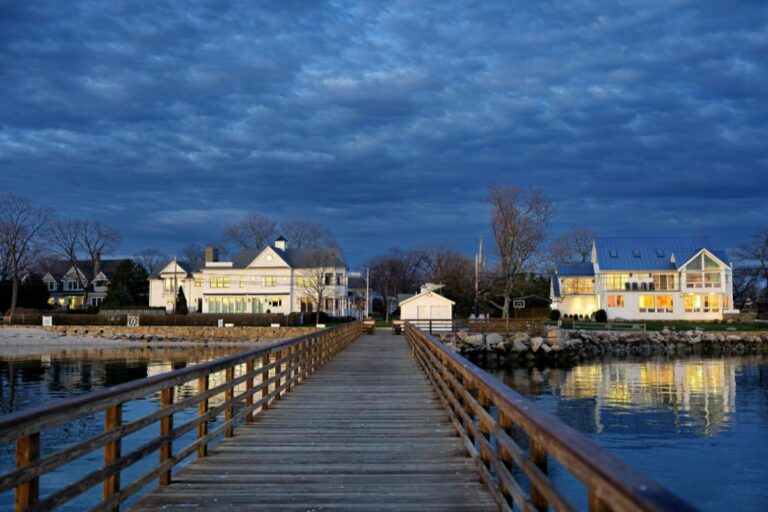
Connecticut shoreline homes face a combination of salt air, high winds, and coastal humidity that wears down standard roofing and siding materials far faster than inland properties. The same shingle that lasts decades twenty miles inland can fail years early within sight of the water.
That gap between expected and actual lifespan catches many homeowners off guard, usually right when a warranty claim gets denied.
Choosing the wrong products for coastal environments can mean premature failure, voided warranties, and costly repairs within just a few years of installation. Working with a contractor with deep local coastal expertise is necessary to protect your home’s long-term value. At DiGiorgi Roofing & Siding, we have spent decades installing roofing and siding on Connecticut shoreline properties.
Table of Contents
ToggleThe Coastal Threat: What Salt Air, Wind, and Humidity Do to Your Home's Exterior
Three forces constantly affect a coastal home, and each attacks it in a different way.
The coastal stressors at work:
- Salt air, which oxidizes coatings and corrodes fasteners year-round, not just during storms.
- Wind uplift, which concentrates at roof edges, ridges, and corners during coastal weather events.
- Persistent humidity, which drives moisture into attic spaces and wall assemblies from the inside out.
How Salt Air Degrades Standard Roofing and Siding Materials
Airborne salt particles settle into roofing granules and siding surfaces, accelerating oxidation and breaking down protective coatings over time. The damage is gradual and largely invisible until it is advanced.
Salt exposure is persistent because it doesn’t require a storm. Ordinary onshore breezes carry salt inland every day of the year, so the process never really pauses.
Standard fasteners and flashing made from ordinary galvanized steel corrode rapidly in salt-laden air, creating leak points that compromise the entire roof system. A roof is only as durable as the hardware holding it down.
Vinyl and wood siding without formulations rated for UV exposure and salt resistance can crack, fade, and warp within a few seasons on the Connecticut shoreline. Material formulation matters enormously this close to the water.
Wind Uplift Pressures Along the Connecticut Shoreline
Coastal homes in Connecticut face wind uplift forces far exceeding those seen even a few miles inland. That reality requires enhanced fastening patterns, properly rated underlayments, and materials engineered for wind resistance, not standard installation practices.
Roof edges, ridge lines, and corners are the most vulnerable areas during coastal storms and must be reinforced with code-compliant starter strips, hip-and-ridge products, reinforced flashing, and high-quality underlayment. Failures often begin in these zones.
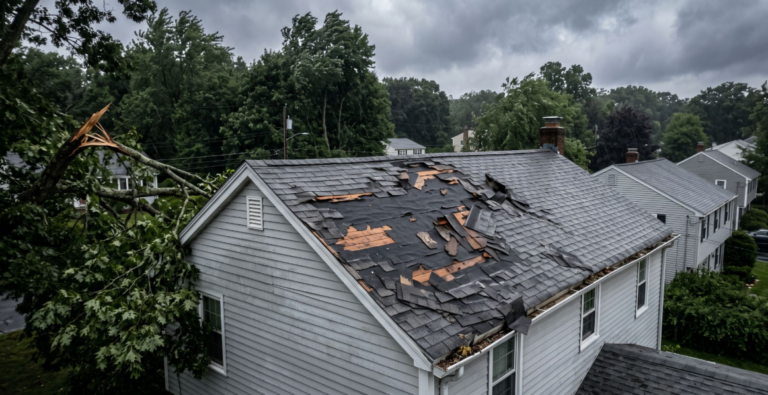
Improperly installed roofing in wind-prone zones can experience blow-offs at wind speeds well below hurricane thresholds, leaving the home exposed to wind uplift damage and water intrusion. DiGiorgi follows enhanced nailing schedules and selects shingles with high wind-resistance ratings, including products rated to 130 mph or more, for coastal roofing materials in Connecticut.
Humidity and Its Effect on Attic Systems and Coastal Siding
Persistent coastal humidity raises moisture levels inside attic spaces, creating conditions for mold growth, wood rot, and insulation degradation whenever ventilation is inadequate. The attic is often where coastal damage starts.
Siding substrates and trim boards absorb ambient moisture over time, causing paint failure, swelling, and structural damage if the materials are not rated for high-humidity coastal climates.
Proper moisture barriers and breathable house wraps provide waterproofing protection that’s essential during siding installation. They let walls manage vapor movement without trapping the condensation and moisture buildup that quietly destroy a wall assembly from within.
Attic ventilation deserves the same attention. Balanced intake and exhaust let humid air escape before it condenses on sheathing and framing, protecting both the roof deck and the insulation below.
Best Roofing Materials for Coastal Homes
Not every roofing product belongs on a coastal home. These coastal roofing materials consistently perform in Connecticut’s coastal conditions.
Top-performing coastal roofing materials:
- Architectural asphalt shingles with high wind ratings: the most common coastal choice, with products rated to 130 mph or more and algae-resistant granules. Cost-effective and widely available, though shorter-lived than metal roofing.
- Standing seam metal: excellent wind performance and a long service life, especially when finished with a PVDF paint system that resists salt-driven chalking and fading, with concealed fasteners that limit corrosion entry points. Higher upfront cost, but strong value over decades.
- Synthetic slate and composite tiles: durable, salt-tolerant alternatives to clay tiles or concrete tiles, with the look of natural slate at a lower weight. A premium option that suits shoreline architecture well.
- Stainless or hot-dipped fasteners and flashing: not a roofing material on their own, but the detail that determines the corrosion resistance — and ultimately the roof's lifespan — of everything installed above them.
The trade-offs come down to budget and horizon. Asphalt delivers the lowest upfront cost, metal and synthetic slate deliver the longest service life, and all of them depend on corrosion-resistant hardware to reach their rated lifespan.
Best Siding for Coastal Homes
Siding faces the same salt and moisture load as the roof in coastal environments, with the added challenge of wind-driven rain hitting it directly.
Top-performing coastal siding options:
- Fiber cement: highly resistant to salt, moisture, and wind-driven rain, and it holds paint far longer than wood. Heavier and more labor-intensive to install, which raises the installed cost.
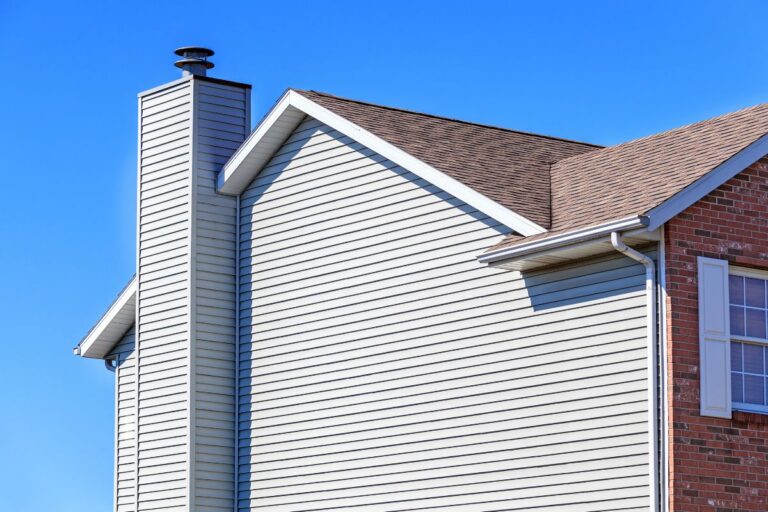
- Premium insulated vinyl: a strong value when specified with UV-stable, coastal-rated formulations, with the added energy efficiency benefit of built-in insulation. Lower cost and virtually no maintenance, though it offers less impact resistance than fiber cement.
- Engineered wood: delivers the warmth of natural wood grain with treated resistance to moisture and rot. Requires periodic finishing, but suits traditional shoreline homes aesthetically.
- Cedar shingles and shakes: the classic New England shoreline look, naturally rot-resistant but requiring the most upkeep in a salt-air environment.
Aesthetic appeal matters here as much as performance, since shoreline architecture has a distinct character worth preserving. Our team can walk you through how each option looks on a Connecticut coastal home, and we handle windows and doors as part of the same envelope.
Why DiGiorgi Is the Trusted Choice for New England Shoreline Homes
Salt air, wind uplift, and humidity each attack a home’s exterior differently, and material alone can’t defeat them. Installation details separate a coastal roof that lasts from one that fails early.
A premium shingle fastened on a standard inland nailing schedule is still vulnerable. The specification and the quality of professional installation both have to match the environment.
Local expertise has a real-world meaning. It means knowing Connecticut coastal building codes, understanding which manufacturer warranties actually apply in coastal zones, and being able to diagnose whether damage came from salt, wind, or trapped moisture.
That last skill matters more than homeowners expect. Correctly identifying the cause of a failure is what prevents the same failure from repeating after the repair.
DiGiorgi has built its reputation on shoreline properties specifically, not as a regional contractor who occasionally works near the water. Contact DiGiorgi today for a coastal-specific roofing or siding assessment of your Connecticut shoreline home.