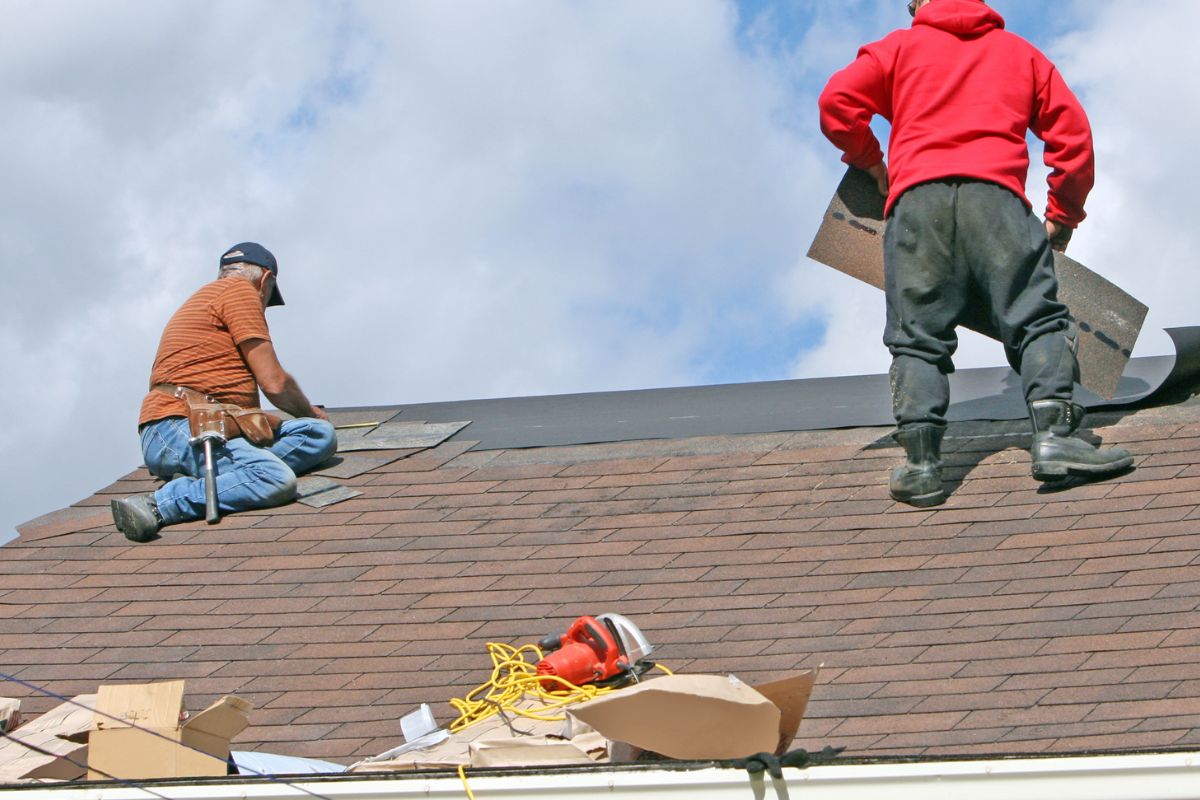
Roof replacement is one of the largest investments homeowners make in their property, yet many feel overwhelmed by the technical details and contractor options. The anxiety surrounding roof replacement is completely understandable, given the financial commitment and complexity of comparing proposals, materials, and warranties.
This article provides insider knowledge from DiGiorgi, an experienced roofing company which has guided thousands of Connecticut homeowners through successful roof replacements over 93 years. DiGiorgi Roofing & Siding knows which questions separate informed decision-makers from those who encounter problems later.
Informed homeowners who ask the right questions to ask when replacing a roof make better long-term decisions and avoid costly mistakes that result from choosing contractors based solely on price. Understanding what to expect, what questions matter, and what red flags to watch for protects your investment and ensures satisfaction.
Roofing issues and disappointments are often preventable with the right expectations and proper planning from the start. Most homeowner frustrations stem from miscommunication, unrealistic expectations, or failure to address critical questions before work begins.
Importance of Understanding Roof Replacements
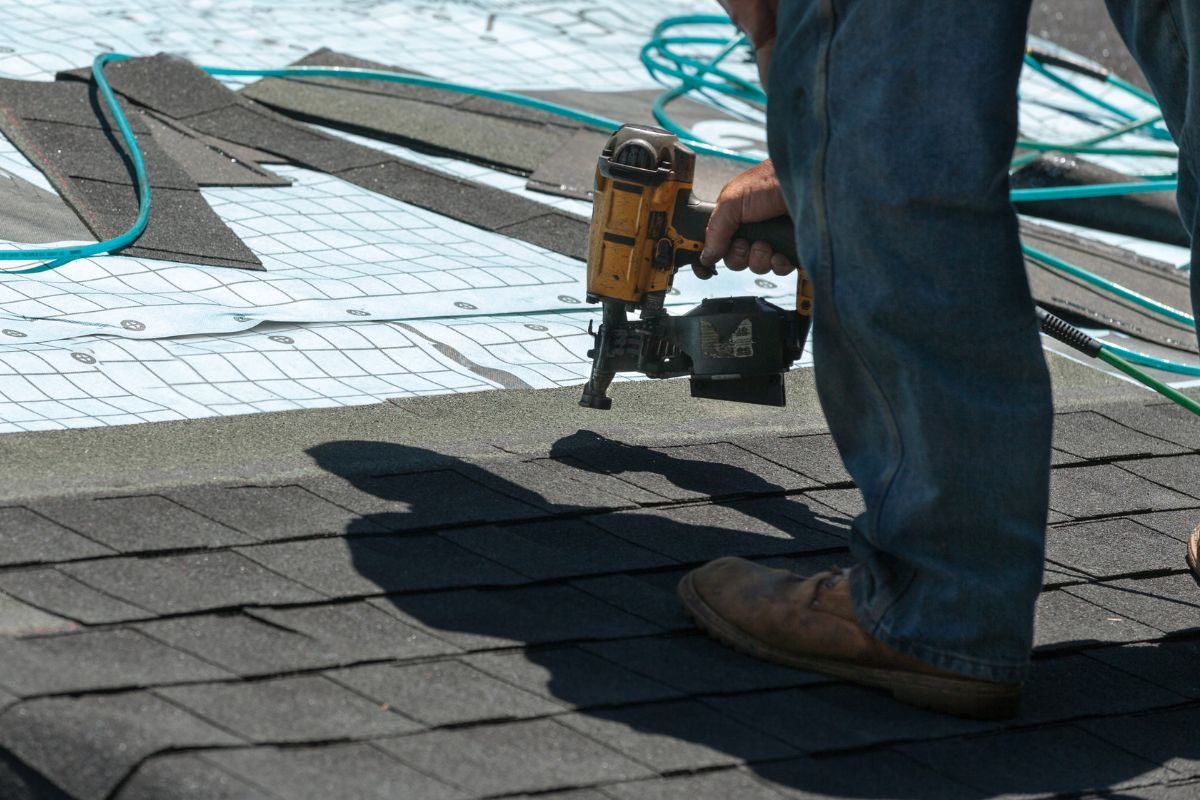 Recognizing the signs you need a roof replacement helps homeowners address problems before minor issues become major damage. Understanding these warning signs allows you to plan proactively rather than facing emergency repairs.
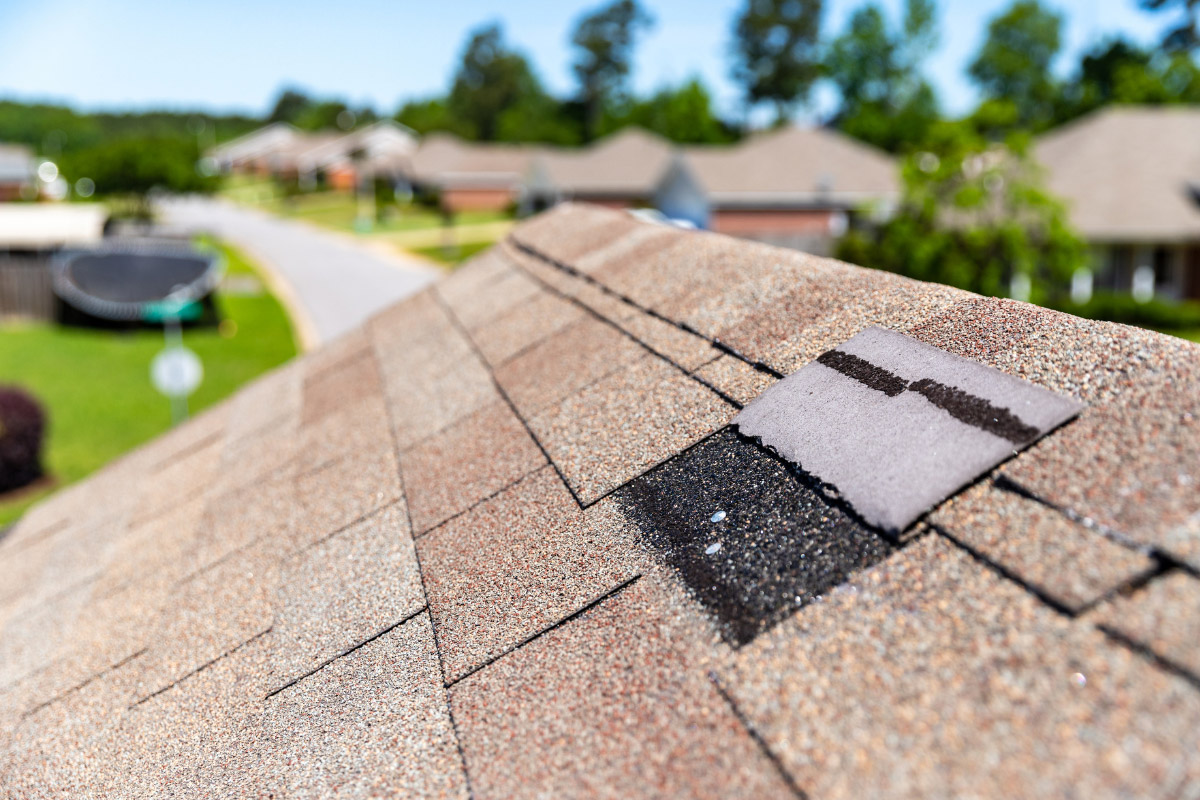
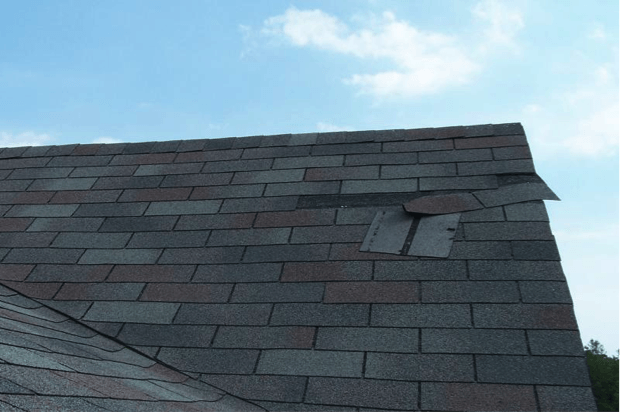
Curling, cracked, or missing shingles indicate that your roof has reached the end of its protective lifespan and can no longer effectively shed water. Granule loss visible in gutters or downspouts indicates that shingle protective coatings are wearing away, leaving underlying materials exposed to UV, elemental and water damage.
Persistent leaks or water stains on ceilings and walls demonstrate that water is penetrating your home’s envelope, potentially causing hidden structural damage. Sagging rooflines or soft decking indicate structural compromise that requires immediate attention beyond simple shingle replacement.
Mildew, algae, or moss growth signals trapped moisture that can damage roofing materials and indicate ventilation or drainage problems. Rising energy bills caused by compromised roofing systems often stem from inadequate insulation or ventilation, which force heating and cooling systems to work harder.
DiGiorgi Answers The Top 6 Questions Clients Ask When Replacing Their Roof
These six essential questions address the most critical aspects of roof replacement that homeowners need to understand before signing contracts. Asking these questions helps you evaluate contractors, understand your options, and set appropriate expectations.
1. How Often Does a Roof Need to Be Replaced?
Roof replacement is not based on a fixed timeline but rather on actual roof condition, maintenance history, material quality, and exposure to weather extremes. While manufacturers may quote lifespans of 20-30 years, actual performance varies dramatically depending on installation quality and environmental factors.
The difference between manufacturer warranties and actual roof lifespan often surprises homeowners who assume warranty length equals expected performance. Material warranties cover defects in the product itself but typically don’t account for roof installation issues, ventilation problems, or improper maintenance.
Proactive roof inspections conducted annually or after inclement weather can prevent premature replacement by identifying small issues and storm damage before they become major problems. Professional roofing services include inspection programs that detect problems early and significantly extend roof life.
Common misconceptions about “waiting until it leaks” lead to expensive mistakes, as visible leaks indicate damage that’s been developing for months or years. How often does a roof need to be replaced before leaks appear? Knowing this answer saves money and prevents secondary damage to your home’s interior and structure.
2. What Materials Are Best Suited for My Home and Climate?
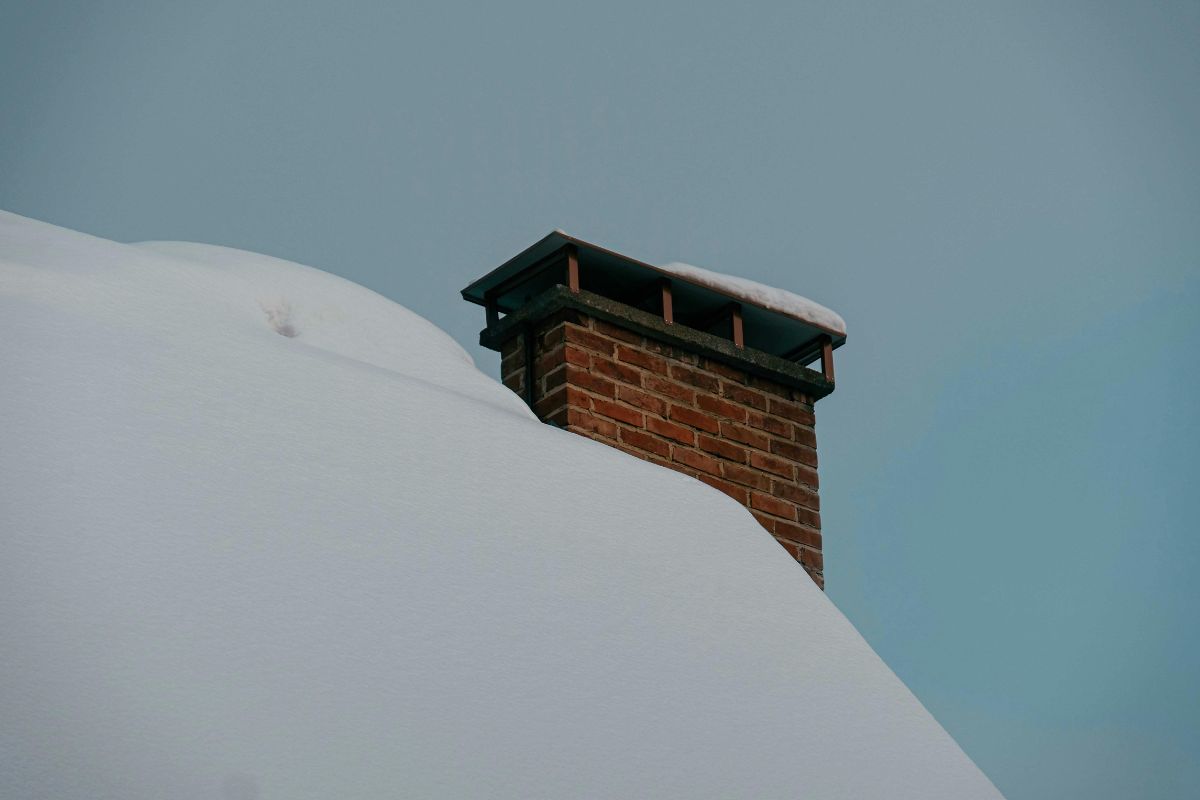 New England weather, including heavy snow loads, ice dams, freeze-thaw cycles, and summer heat, impacts material performance in ways that differ dramatically from milder climates. Connecticut roofs must withstand winter ice accumulation, spring ice dams that force water under shingles, and summer heat that can reach 150°F on dark roof surfaces.
Common options such as architectural asphalt shingles, metal roofing, and specialty materials each offer distinct advantages for Connecticut homes. Architectural shingles provide excellent value and proven performance in our climate, with 30-50-year lifespans when properly installed. Metal roofing excels at shedding snow and resisting ice dam formation, making it ideal for homes with shallow pitches or complex roof designs.
Roof pitch, home style, and ventilation requirements affect material choice beyond simple aesthetic preferences. Steeper-pitched roofs shed water and snow more effectively, while low-slope roofs require materials specifically engineered for minimal pitch applications. Coordinating your roof with siding and exterior improvements ensures cohesive aesthetics and optimal performance.
3. Is a Full Tear-Off Necessary or Is a Roof-Over an Option?
A full tear-off involves removing all existing roofing materials down to the roof deck before installing new materials, while a roof-over installs new shingles directly over the existing layer. Full tear-offs allow inspection and repair of the roof deck, ensure proper installation, and eliminate the added weight of multiple shingle layers.
A roof-over may be allowed by local building codes when only one layer currently exists, and the roof deck is in good condition, but it’s often not recommended by quality contractors. While roof-overs save money on labor and disposal costs, they sacrifice the opportunity to inspect and repair hidden damage.
Risks of covering existing damage, trapped moisture, or structural issues make roof-overs problematic despite their lower initial cost. Hidden moisture trapped between layers can’t dry out and continues to rot the roof deck unseen. DiGiorgi recommends full tear-offs in virtually all circumstances to ensure proper installation and maximum roof life.
4. What Is the Estimated Project Timeline and Cleanup Process?
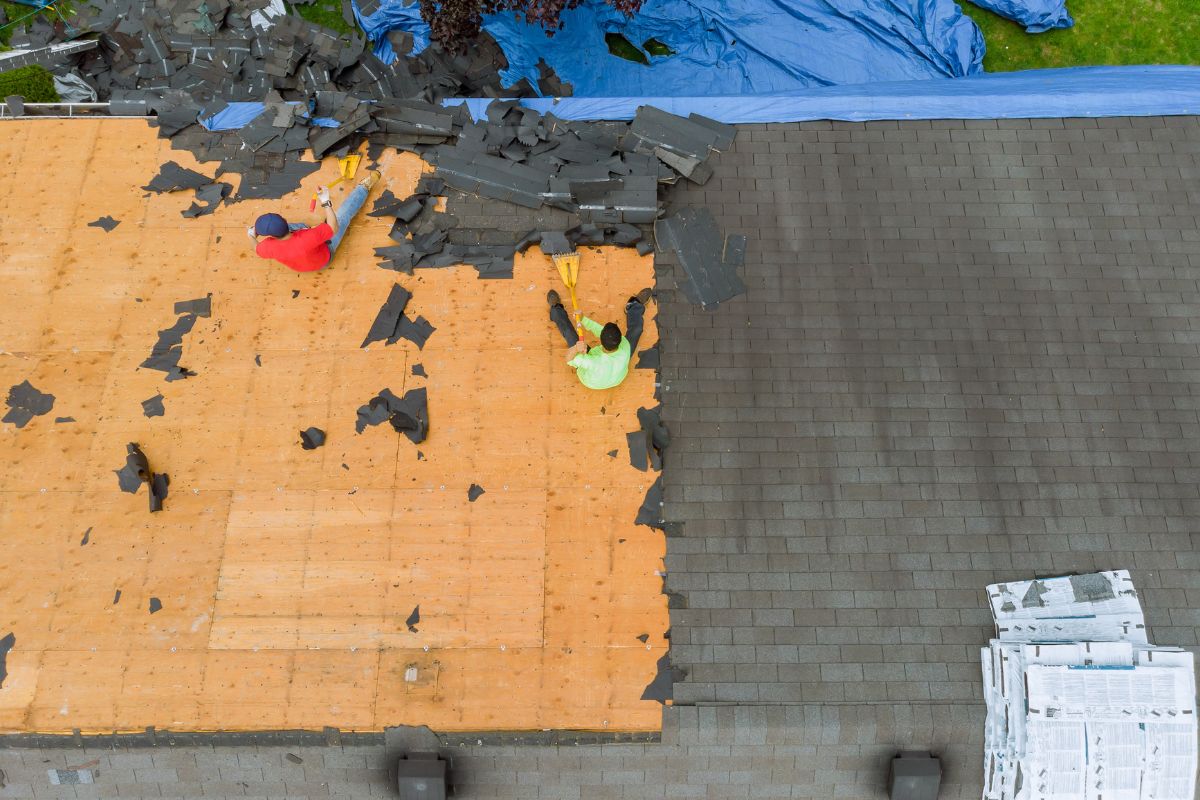 A typical residential roof replacement timeline spans 1-3 days for most homes, depending on size, complexity, and weather conditions. Day one typically involves tear-off, deck inspection and repairs, and underlayment installation. Day two focuses on shingle installation and flashing details. Day three handles final details, cleanup, and inspection.
Factors that can affect scheduling include weather delays from rain or high winds, material delivery delays, and unexpected deck repairs discovered during tear-off. Connecticut weather can be unpredictable, and responsible contractors won’t install roofing in rain or when high winds would create safety hazards.
Thorough cleanup, debris removal, and final walkthroughs are hallmarks of professional contractors who respect your property. DiGiorgi’s crews use magnetic rollers to collect nails from your lawn and driveway, removing metal debris that could damage tires or injure family members.
5. What Warranties Are Included for Materials and Labor?
DiGiorgi’s Everlast Warranty™ provides comprehensive coverage that extends beyond standard manufacturer warranties to include workmanship guarantees. Our certification as a GAF Master Elite contractor and a CertainTeed Select Shingle Master means we meet the highest industry standards for installation quality.
Clear, written warranty documentation provides peace of mind by specifying exactly what’s covered, for how long, and under what conditions. DiGiorgi provides detailed warranty documentation at contract signing so you understand your coverage completely. Our 92-year reputation and family-owned commitment to Connecticut homeowners mean we’ll be here to honor our warranties for decades to come.
6. Who Will Supervise the Job and Handle Permits and Inspections?
 On-site supervision is critical for quality control and safety, ensuring that installation complies with manufacturer specifications and meets DiGiorgi’s quality standards. Our project managers visit jobs daily to verify work quality, address any issues immediately, and maintain communication with homeowners.
Responsibility for permits, inspections, and local code compliance rests with the contractor, not the homeowner. DiGiorgi handles all permit applications, coordinates required inspections, and ensures that your roof meets or exceeds local building codes.
Accountability and communication from start to completion distinguish professional contractors from those who disappear after collecting payment. DiGiorgi maintains open communication throughout your project, providing progress updates and addressing concerns promptly.
Ensuring the Longevity of Your Roof
Informed decision-making, driven by the right questions, protects your investment and ensures satisfaction with your roof replacement. Homeowners who understand materials, installation processes, warranties, and contractor accountability make choices they’re confident about rather than decisions they second-guess for years.
Preparation through asking tough questions, careful contractor selection based on reputation and expertise, and commitment to ongoing maintenance protect your roofing investment for decades. Your roof represents a significant investment, so don’t choose contractors solely on price.
View your roofing as a complete system, including ventilation, insulation, drainage, and proper installation, rather than just the shingles visible from the street. The most expensive shingles installed poorly will fail prematurely, while quality materials properly integrated into a well-designed system will protect your home for decades.
Contact DiGiorgi today to discuss your roof inspection & replacement with Connecticut’s most trusted roofing company. Our 93 years of experience serving Connecticut families means we’ve guided thousands of homeowners through successful roof replacements using the same transparent, educational approach that has defined DiGiorgi since 1933.