Most homeowners naturally think about roof ventilation during summer months when attic temperatures soar and cooling costs spike. The mental association between ventilation and heat relief causes many Connecticut homeowners to overlook ventilation’s critical role during cold winter months.
A common misconception assumes that cold weather eliminates moisture and ventilation concerns since frigid outdoor air feels dry and crisp. In reality, the temperature differential between warm indoor air and freezing outdoor conditions creates ideal circumstances for condensation and moisture accumulation.
Winter actually creates higher risks for condensation buildup, mildew growth, ice dam formation, and progressive structural damage that develops silently in attics throughout the heating season. The combination of heated indoor air, inadequate ventilation, and freezing exterior temperatures produces conditions that threaten both immediate roof performance and long-term structural integrity.
For over 92 years, DiGiorgi Roofing & Siding has served as Connecticut’s trusted local expert in diagnosing and correcting ventilation issues specific to cold-weather climates. Our family-owned business understands the unique challenges that New England winters present to roofing systems.
What Is Roof Ventilation and How It Works

A properly designed ventilation system allows stale, warm, moisture-laden air to escape from attic spaces before condensation can form on cold surfaces. This continuous air exchange prevents moisture accumulation, which can lead to mold, rot, and structural deterioration.
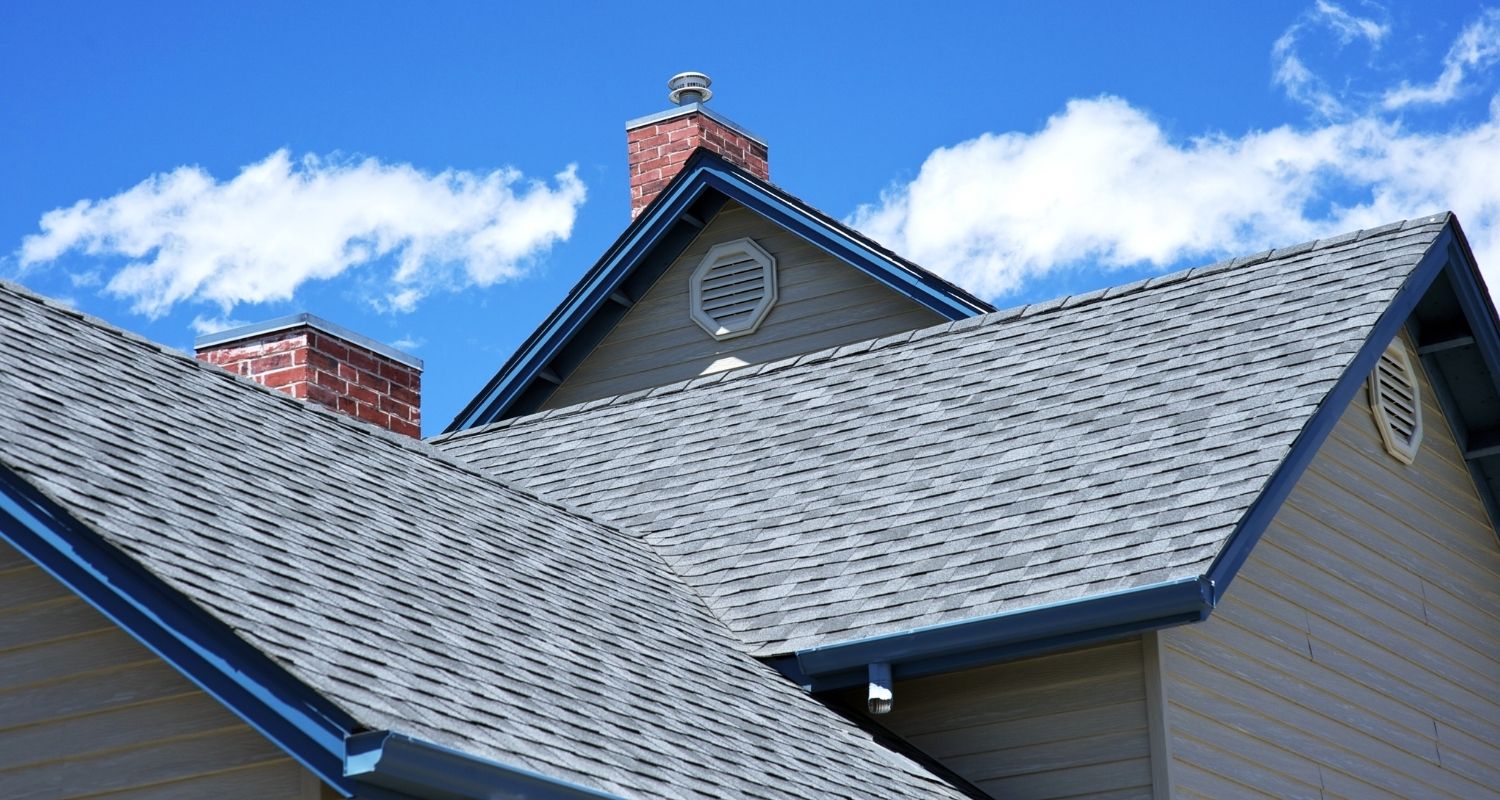
The most effective systems use a balanced intake and exhaust design, with soffit vents installed along the roof’s lower edges serving as intake points. Ridge vents running along the roof peak, supplemented by roof or gable vents, serve as exhaust points for warm air.
Airflow naturally moves from lower intake points to higher exhaust points through convection, as warm air rises, creating continuous circulation without mechanical assistance. Understanding what roof ventilation is and how it functions throughout the year helps homeowners appreciate why maintaining this system matters just as much in January as in July. Proper ventilation provides critical protection for professional roofing systems regardless of the season.
5 Reasons Why Roof Ventilation Matters More in Winter
1. Prevents Ice Dams and Costly Roof Damage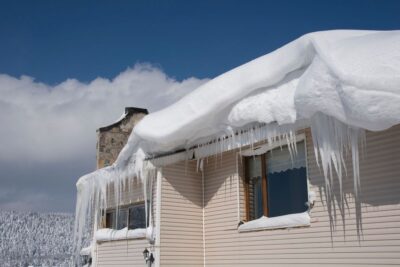

A properly functioning ventilation system keeps roof surface temperatures consistent across the entire structure, preventing the rapid snow melt and refreezing cycle that creates destructive ice dams. When attic heat escapes through poorly ventilated roof decking, it warms the roof surface unevenly, melting snow in some areas while leaving other sections frozen.
Ice dams form when melted snow runs down the roof slope and refreezes at the colder roof edges, creating thick ice barriers that block proper drainage. As melting continues above the ice dam, water backs up beneath shingles, finding pathways into the home through tiny gaps and compromised seals.
Proper ventilation significantly reduces the risk of damaged shingles, fascia boards, gutter systems, and roof decking by maintaining uniform roof temperatures. Preventing ice dams protects not just the roof itself but all connected systems, including gutters and downspouts.
2. Protects Against Moisture & Rot
Continuous airflow allows excess moisture generated by daily household activities to escape from attic spaces before it can settle on cold surfaces and condense. Winter heating creates warm, humid indoor air that naturally rises into attic spaces, and without adequate ventilation, this moisture has nowhere to go.
Proper air circulation reduces the conditions that allow mildew and mold to establish colonies inside attic spaces, where they damage materials and potentially affect indoor air quality. Adequate ventilation prevents wood rot in rafters, trusses, and roof sheathing by keeping these structural components dry enough to resist decay fungi.
3. Improves Energy Efficiency in Cold Weather

Proper ventilation prevents heat loss caused by attic temperature imbalance that occurs when warm, moist air accumulates in poorly ventilated spaces. Adequate airflow allows insulation to perform at full efficiency, rather than becoming compressed or moisture-saturated by condensation that destroys its insulating properties.
Balanced ventilation reduces unnecessary strain on heating systems by maintaining stable attic conditions that don’t create extreme temperature differentials. Proper ventilation helps maintain consistent indoor temperatures throughout the home by preventing the uneven heating patterns that result from variable heat loss rates, especially important when combined with energy-efficient windows.
4. Extends the Life of Your Roofing System
Proper ventilation prevents premature shingle deterioration caused by trapped heat and moisture buildup that accelerates the aging of roofing materials from the underside. Shingles designed to withstand decades of exterior weather exposure can fail in half their expected lifespan when subjected to excessive heat and moisture from below.
Adequate airflow reduces cracking, curling, and blistering of roofing materials by maintaining moderate attic temperatures. Continuous ventilation protects underlayment, flashing, and decking from long-term moisture exposure, which can degrade these hidden but critical roofing components. Maintaining proper ventilation helps delay the need for costly roof replacement by years or even decades.
5. Helps Prevent Structural Issues in Framing & Insulation
Proper ventilation keeps wooden framing members dry and structurally sound by preventing the chronic moisture exposure that weakens wood and invites rot and insect damage. Adequate airflow prevents insulation from becoming waterlogged and losing its R-value through condensation, turning fluffy, effective insulation into compressed, ineffective material.
Continuous ventilation reduces sagging, warping, and long-term material breakdown in roof framing by maintaining dry conditions. Proper ventilation preserves the integrity of roof supports and load-bearing components that must maintain full strength to carry design loads safely.
Signs Your Roof May Have Poor Winter Ventilation
Visible Attic Moisture, Frost, or Mildew
Frost buildup on attic nails, rafters, or roof decking during cold months indicates excessive moisture accumulation. These frost deposits melt during temperature fluctuations, dripping onto insulation and creating conditions for mold growth and wood deterioration.
Damp or darkened wood surfaces signal ongoing condensation problems where moisture repeatedly wets structural members. Visible mold and mildew spotting on insulation, trusses, or plywood confirms that moisture levels have remained elevated long enough for biological growth to establish.
Musty odors emanating from the attic or upper floors indicate advanced mold growth and the decay of organic materials. Wet or compressed insulation that has lost its thickness indicates condensation that has saturated the insulation materials. Moisture stains appearing on ceilings below the attic indicate that condensation has become severe enough to drip onto ceiling materials.
Ice Dams, Uneven Snow Melt & Rising Energy Bills

Thick ice buildup along roof edges and in gutters after snowstorms provides visible evidence of heat escape and refreezing. Snow melting unevenly across the roof surface reveals hot spots where excessive attic heat escapes through inadequately ventilated areas.
Icicles forming repeatedly along eaves and overhangs signal a continuous melt-drip-freeze cycle driven by heat escaping from poorly ventilated roof sections. Water leaks near exterior walls or ceiling corners often trace back to ice dams that force water beneath shingles.
Noticeable heat loss from upper floors during winter suggests that warm air is escaping into poorly ventilated attic spaces. Unexplained increases in heating costs despite normal usage patterns often result from heat loss into poorly ventilated attics and the reduced effectiveness of moisture-damaged insulation.
Protect Your Roof Through Every Connecticut Winter
Proper roof ventilation prevents winter moisture damage, mold growth, ice dam formation, and premature roof failure by maintaining the airflow necessary to manage condensation. Understanding how roof ventilation works and recognizing its benefits helps homeowners appreciate why this often-overlooked system deserves attention before winter weather arrives.
Many serious winter roofing issues begin unseen in attic spaces where condensation, frost, and moisture accumulation develop silently throughout the heating season. Proactive inspection and ventilation system upgrades provide far better value than reactive emergency roof repairs after ice dams cause leaks or moisture destroys structural components.
DiGiorgi Roofing & Siding brings 92 years of Connecticut roofing expertise to every ventilation assessment, understanding the specific challenges that New England winters present. Don’t wait for ice dams, leaks, or mold to force expensive emergency repairs. Contact DiGiorgi today to schedule a professional attic and roof ventilation evaluation that protects your Connecticut home through every winter ahead.