Most homeowners treat roof repairs, gutter cleaning, and siding replacement as separate, unrelated projects, calling a roofer for leaks, a gutter company for clogs, and a siding contractor for damaged panels. But the reality is that these three components are all part of one interconnected exterior waterproofing system, and when one fails, it puts the others under stress, leading to compounding water damage and increasingly costly repairs.
Understanding how your roof, gutter system, and siding work together is the key to protecting your home from moisture intrusion that starts small and escalates quickly. At DiGiorgi Roofing & Siding, we bring cross-system expertise to every project, evaluating all three components as a unified system rather than treating each one in isolation. Next, we will explain how water moves across your home’s exterior, what happens when each component fails, and why a single contractor with expertise in all three systems delivers better results than hiring separate specialists. If you are ready for a comprehensive evaluation, our full exterior remodeling services are designed to address exactly this kind of multi-system assessment.
Table of Contents
ToggleHow Your Roof, Gutters, and Siding Contribute to Your Home Exterior Water Protection System
The relationship between your roof, gutters, and siding follows a simple but critical path that most homeowners never think about until something goes wrong. The roof collects and directs rainwater and snowmelt downward toward the edges of the structure. Gutters channel that water away from the building through a drainage system that carries it to the ground at a safe distance from the foundation. Siding protects the vertical envelope of the home from splashing back up from the ground, running sideways in wind-driven rain, or infiltrating through gaps and seams at transition points between systems. Every handoff point between these three components matters because a failure at any transition creates a pathway for water to reach areas of the home that were never designed to handle moisture, including the framing, insulation, and wall cavities that hold the entire structure together.
A properly functioning home water management system keeps moisture away from the foundation, framing, insulation, and interior walls. When all three components are in good condition and properly integrated, water moves predictably from the roof surface through the gutter system and past the siding to the ground without ever contacting vulnerable structural elements. When any part of that chain breaks, the consequences can include basement flooding, foundation cracks, and structural damage that is far more expensive to address than routine maintenance.
What Happens When One Part of the System Fails
When the Roof Fails
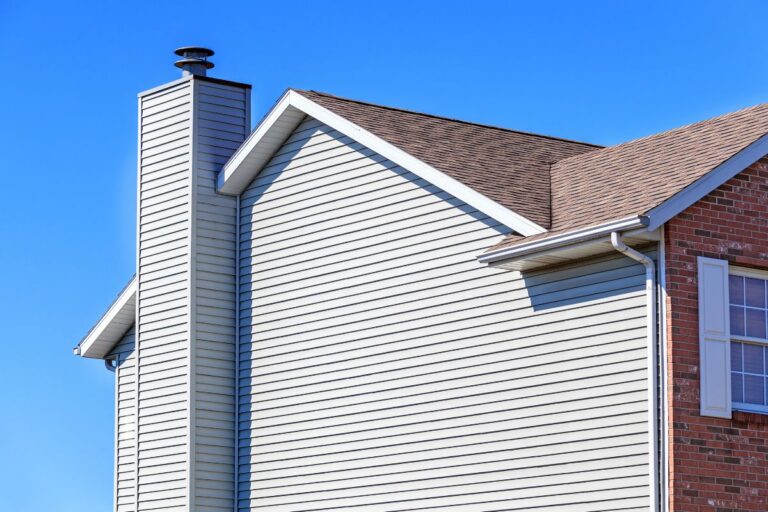
Missing or damaged shingles allow water to penetrate the roof deck and run behind the fascia boards, overloading gutters from the back side and saturating siding at the roofline, where it is least visible and most vulnerable to long-term rot. Poor flashing around chimneys, valleys, skylights, or vent pipes directs water to the wrong areas, bypassing the gutter system entirely and hitting siding directly with concentrated flow, accelerating water damage and deterioration. In Connecticut, where freeze-thaw cycles are common throughout the winter months, even small roof failures can create ice dams that force water upward under shingles and sideways into wall cavities, causing water infiltration that is invisible from the ground but devastating behind the scenes.
When the Gutters Fail
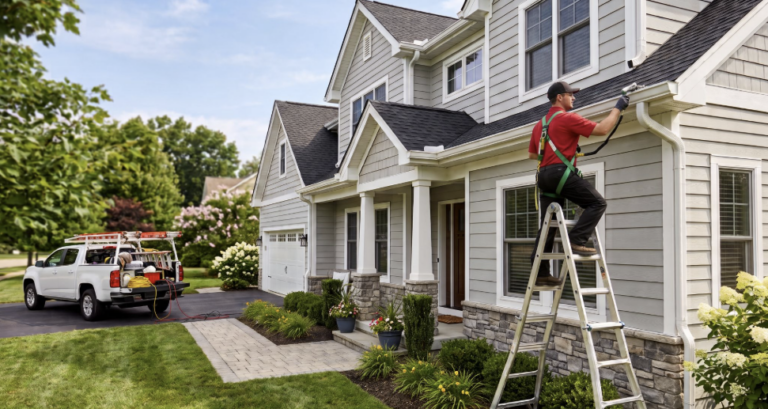
Clogged or sagging gutters cause water to overflow and cascade down the face of the siding, accelerating paint failure, wood rot, and moisture intrusion behind panels or boards that were never supposed to happen. Even partial clogs can redirect enough water to create visible staining and water damage within a single season. Improperly pitched gutters allow standing water to accumulate, leading to fascia board deterioration, and the fascia is a structural connection point between the roof and siding systems. When the fascia fails, the gutter pulls away from the home, the roof edge becomes exposed to the elements, and siding near the roofline loses its primary shield against water runoff, creating a chain reaction of damage that originated from a single point of failure.
When the Siding Fails
Cracked, warped, or gapped siding allows wind-driven rain to infiltrate the wall cavity, even when the roof and gutters above are functioning perfectly. Once moisture enters the wall, it can damage insulation, promote mold growth, and compromise the structural framing from the inside out without any visible exterior symptoms until the damage is extensive and expensive to repair. Failing siding near the foundation or grade line can also wick moisture upward through capillary action, compounding drainage problems created by an undersized or misaligned gutter system above. In older Connecticut homes where original siding may be nearing the end of its lifespan, these vulnerabilities become increasingly common and increasingly dangerous to ignore.
Why Single-System Contractors Miss the Bigger Picture
A roofer who only inspects shingles may fix the symptom but miss gutter slope issues or siding gaps that will cause the same water damage to return within months.
A siding contractor replacing panels without evaluating water flow from the roof above is addressing only one part of a multi-part home exterior water protection problem while leaving the root cause untouched.
Single-trade contractors are not incentivized, or in many cases trained, to diagnose issues originating in another system, leading to repeat service calls and escalating repair costs.
Homeowners who hire separate specialists often receive conflicting assessments because no single contractor evaluates how the three systems interact as part of a complete exterior waterproofing strategy.
Protect Your Home the Right Way: One Expert, One Complete Roof Gutter System Evaluation
DiGiorgi’s unique value is that we are experts in roofing, gutters, and siding, which means we evaluate all three systems together and identify root causes rather than just surface-level symptoms. When you work with a contractor who sees the full picture, you get a solution built to last rather than a repair that buys time until the next failure. Your home’s exterior is a single water management system, and it deserves to be assessed as one by a team that understands how every component interacts with the others.
We encourage Connecticut homeowners to schedule a full exterior evaluation with DiGiorgi before a single failing component creates cascading water damage across all three systems. A proactive assessment is far less expensive than emergency repairs after water has already reached your framing, insulation, or interior walls, and the peace of mind that comes from knowing your entire exterior is working as a unified system is invaluable. Contact DiGiorgi today to schedule your comprehensive exterior evaluation and protect your home the right way, with one expert who sees the full picture.