Planning multiple exterior upgrades at once is one of the biggest challenges homeowners face when renovating the outside of their home. Roofing, siding, windows, gutters, decks, and landscaping often overlap in scope, and the order in which these projects are completed can make or break the final result. Completing work out of sequence leads to unnecessary costs, damage to newly installed materials, or repeated labor.
At DiGiorgi Roofing & Siding, we have been helping Connecticut homeowners plan and execute exterior renovations in the correct order for over 90 years. Our experience has taught us that home exterior design planning is not just about choosing the right materials; it is about understanding how every component works together as a system. Next, we will walk you through the ideal renovation sequence from top to bottom and explain how proper planning protects your investment.
Why Exterior Renovation Sequence Matters
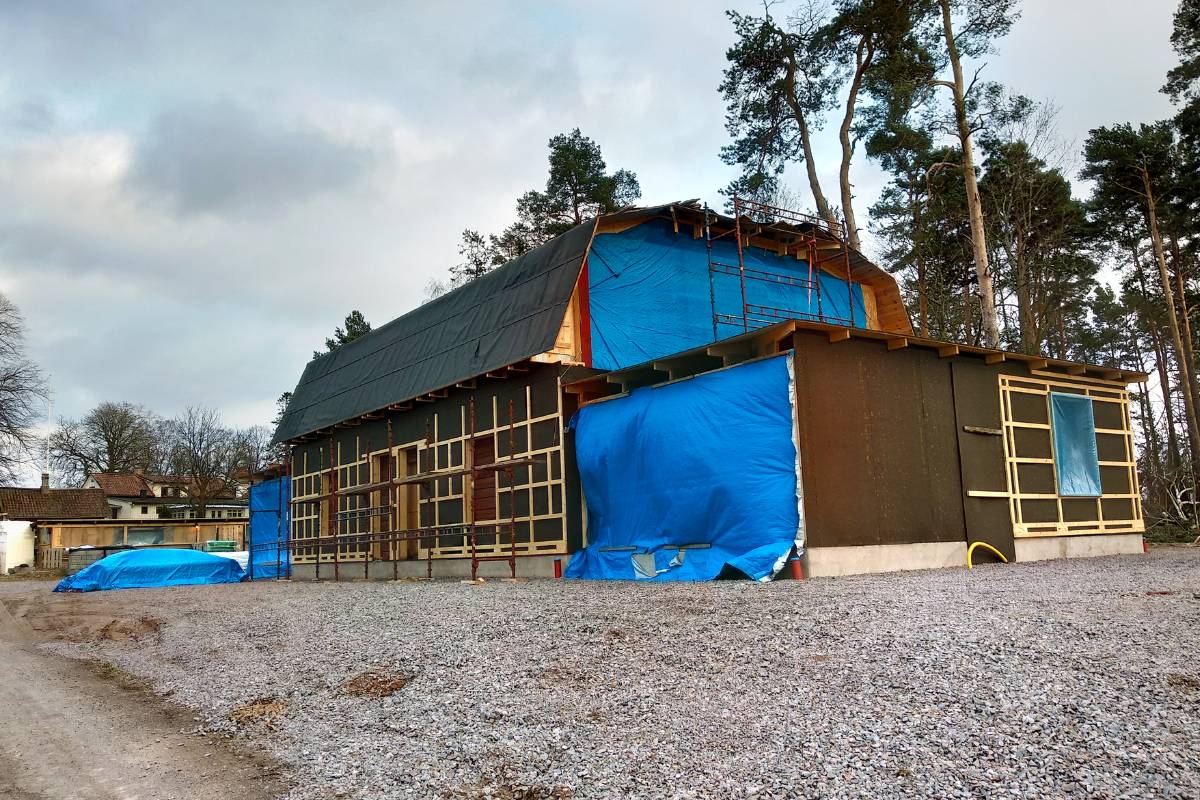 Your home’s exterior components function as a system rather than isolated parts. Roofing, exterior siding, flashing, windows, and drainage must work together to keep moisture out, maintain structural integrity, and protect your home’s interior. When one element is installed out of order, it can compromise the performance of everything connected to it. For example, installing siding before the roof is complete can leave new panels exposed to debris, overhead damage, and improper flashing integration.
The order of installation directly affects durability, performance, and long-term maintenance costs. Proper sequencing helps contractors work efficiently, prevents damage to finished work, and ensures each component integrates correctly with those installed before it. This is one of the reasons we encourage homeowners to work with our comprehensive exterior remodeling team before starting any major project.
DiGiorgi’s 7-Step Exterior Renovation Approach
The most effective approach to exterior renovations is working from the top of the home downward. This ensures upper-level work does not damage lower-level installations and that each component integrates properly with the one above it. Here is the renovation sequence we guide homeowners through at DiGiorgi.
- Roof replacement or repairs
- Windows and doors installation
- Siding and stucco work
- Exterior painting and trim work
- Gutters and drainage systems
- Decks, patios, and outdoor living spaces
- Landscaping and final touches
Step 1: Roof Replacement or Repairs Come First
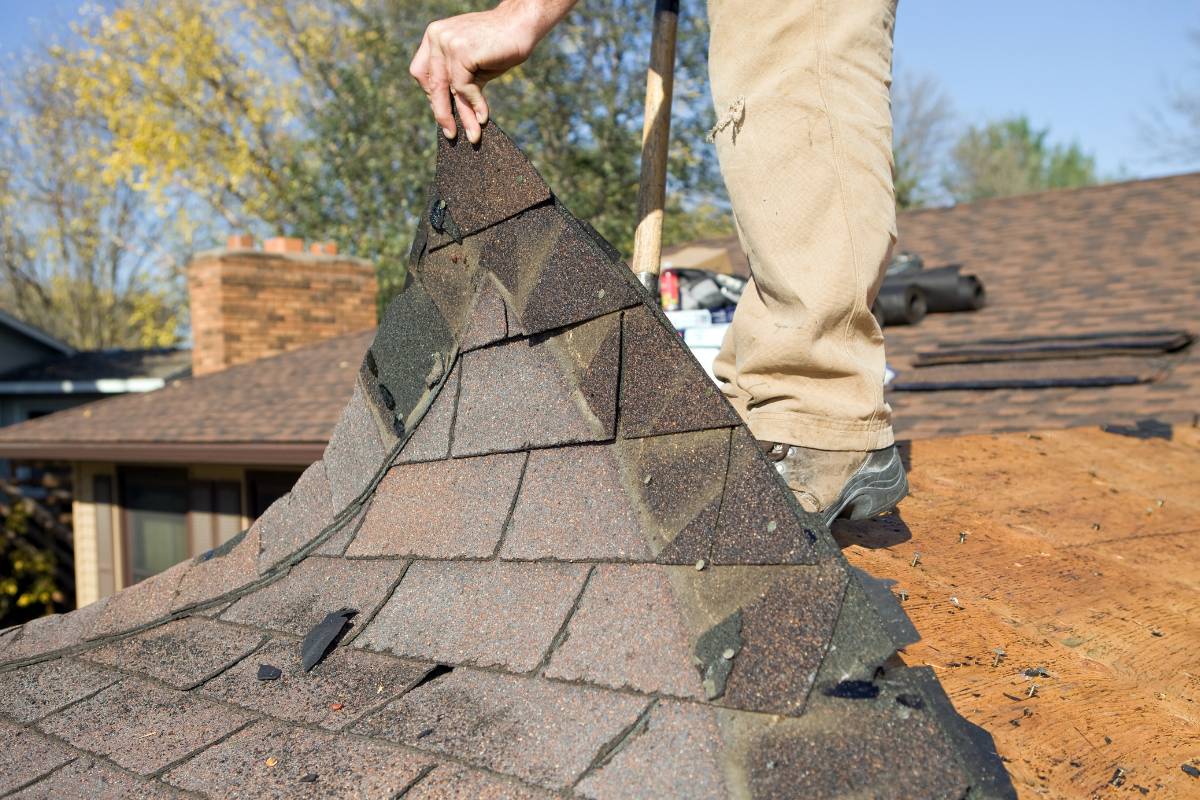 The roof is the most critical protective layer of your home and should always be addressed first. Roofing work typically involves removing old shingles, underlayment, and flashing, which generates debris that can affect surfaces below. Completing expert roofing installation and repair before other exterior work prevents damage to new siding, windows, or trim and ensures flashing and drip edges are properly positioned for the components that follow.
Step 2: Windows and Doors Installation
Windows and exterior doors should be installed after major structural work and siding preparation are underway, but before the siding goes on. This sequencing allows for proper flashing around window and door openings, which is essential for preventing water infiltration. When flashing integrates correctly with the wall sheathing and the siding, it creates a continuous moisture barrier that protects the home’s interior for years to come.
Step 3: Siding and Stucco Work
Professional siding replacement should follow roof completion because siding integrates directly with roof flashing, trim boards, and wall sheathing. Installing siding before the roof is finished risks exposing new panels to falling debris, improper flashing connections, and water intrusion at the roofline. By completing the roof first, our team ensures a clean, weathertight transition between the roof edge and the siding system below.
Step 4: Exterior Paint and Trim Work
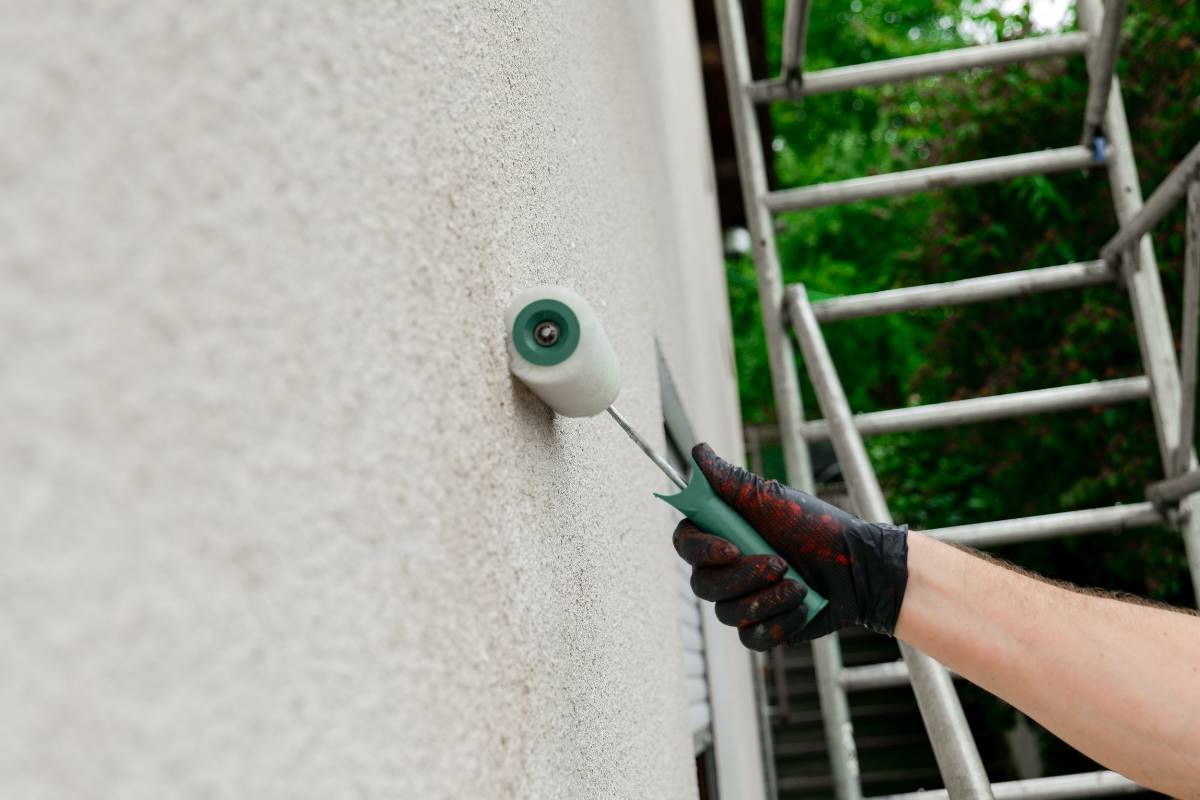 Exterior paint and trim work are typically completed after siding, windows, and doors are fully installed. This sequencing ensures that paint is applied to finished surfaces rather than surfaces that will be disturbed by subsequent installation work. Completing the trim details at this stage also enables precise color matching and seamless integration among all exterior components.
Step 5: Gutters and Drainage Systems
Gutters should be installed after roofing and siding work is complete because they rely on properly installed fascia boards, roof edges, and drip edges to function correctly. Installing gutters too early risks damage during roofing or siding work and may result in improper alignment. Waiting until upper components are finished ensures gutters are mounted securely and positioned to direct water away from the foundation.
Step 6: Decks, Patios, and Outdoor Living Spaces
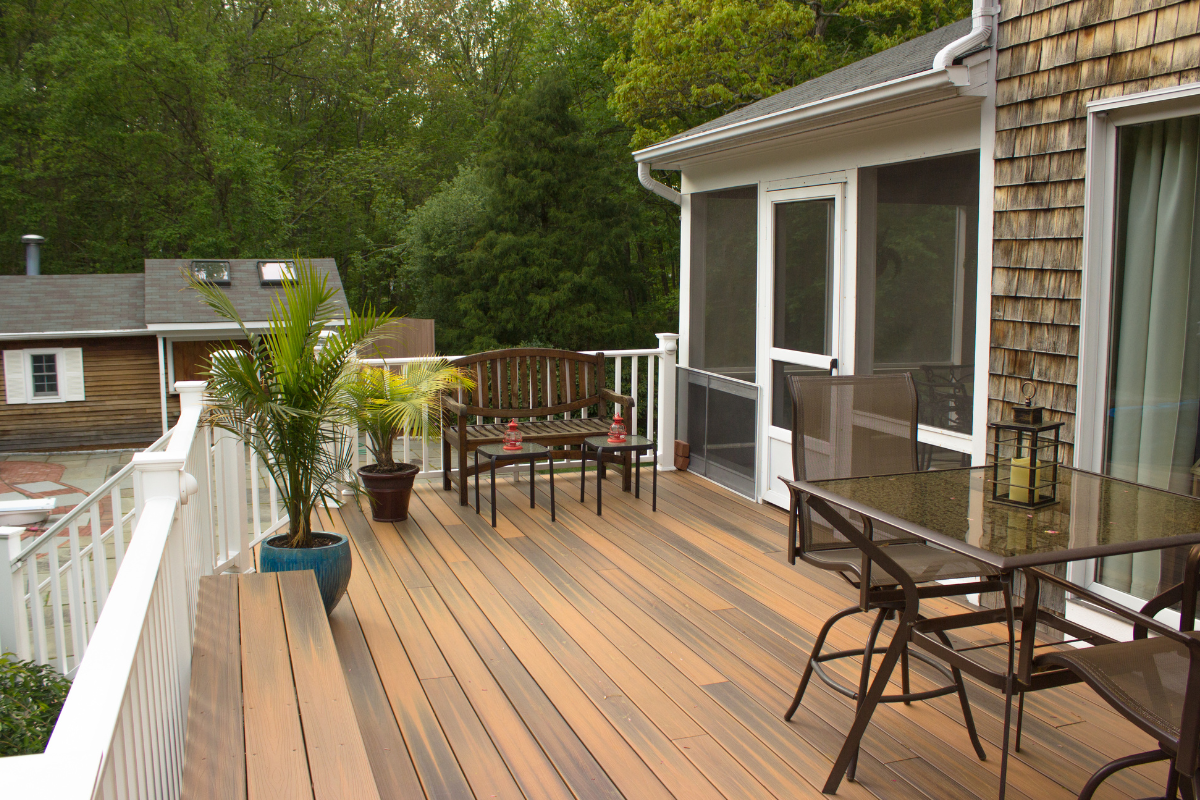
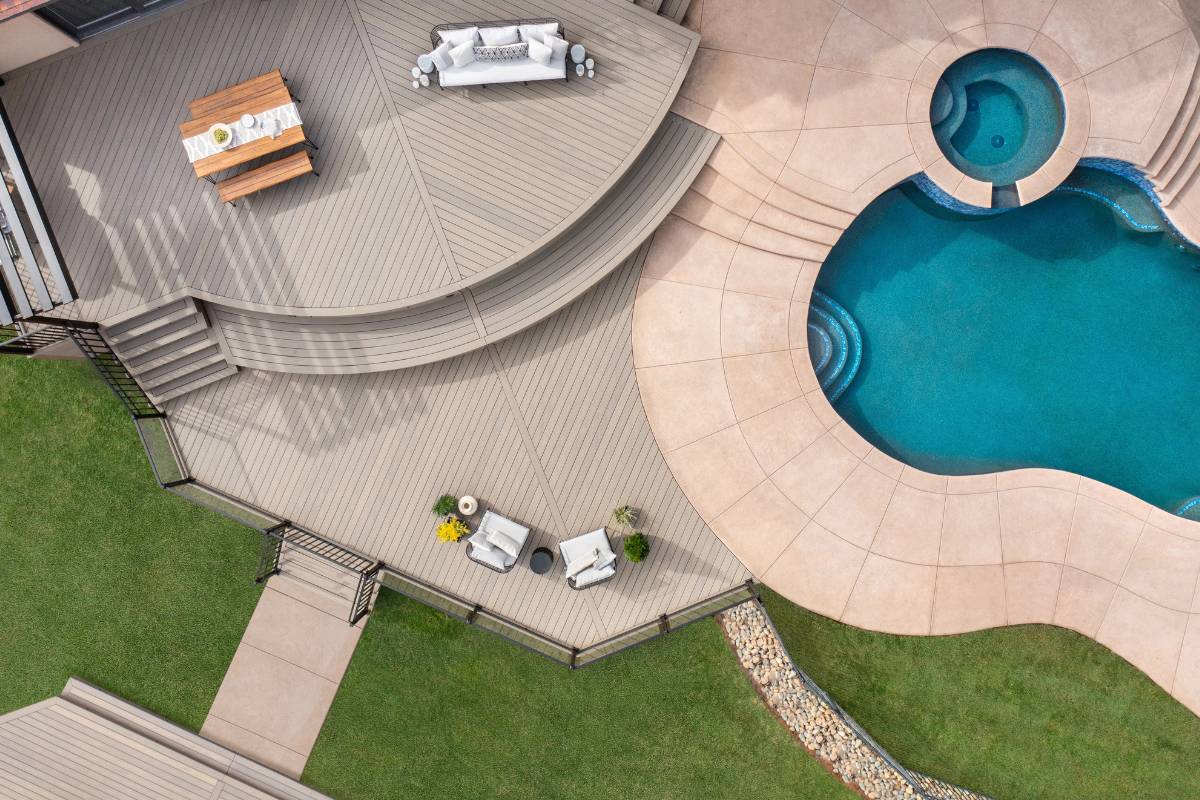 Outdoor structures are typically completed after major exterior renovations are finished. Custom Trex deck building and patio projects can be coordinated with siding and door placements to ensure clean transitions between exterior walls and the outdoor living space. Building these structures last also prevents construction traffic from damaging newly completed surfaces.
Step 7: Landscaping and Final Touches
Landscaping should be one of the last steps in any exterior renovation project. Construction equipment, material staging, and foot traffic from earlier phases can easily damage plantings, mulch beds, and hardscapes. Saving landscaping for the final stage ensures grading, drainage, and plant placement can be fine-tuned based on the completed renovation.
How DiGiorgi Helps Connecticut Homeowners Plan Their Exterior Renovations
Successful exterior renovations begin long before construction starts. Planning materials, budgets, and timelines in advance is essential to avoid surprises and keep the project on track. Here are the key planning steps we complete before starting any exterior work.
- Conducting a thorough home inspection to check roofing, siding, windows, and drainage systems for hidden problems such as rot, insulation failures, or flashing damage that may require repairs before renovations begin.
- Providing compatible material options that coordinate colors, textures, and styles between roofing, siding, trim, and windows, while accounting for lead times and supply availability.
- Discovering your budget and timeline to determine whether combining projects can reduce labor costs and minimize disruption, and planning for contingencies if hidden issues surface during construction.
Begin Your Renovation with DiGiorgi Today
Exterior renovations should follow a structured sequence to avoid costly mistakes, wasted materials, and repeated labor. Starting with the roof and working downward through siding, windows, and drainage ensures every component integrates properly and performs as intended. Finishing details like painting, outdoor living spaces, and landscaping should come last to protect those investments from construction activity.
- A proven top-down renovation approach that prevents damage to completed work and ensures every component integrates correctly with the others.
- Over 90 years of experience planning and executing complex, multi-component exterior projects across Connecticut and western Massachusetts.
- One trusted contractor managing your entire project, backed by DiGiorgi’s Everlast Warranty for lasting peace of mind.
We encourage homeowners to plan carefully and work with experienced professionals to coordinate complex exterior projects. Contact DiGiorgi for a free consultation and let us help you develop a renovation strategy that protects your home, your budget, and your timeline.