Exterior maintenance plays a critical role in protecting your home’s structure, performance, and long-term value from constant exposure to weather and time. When roofing, siding, windows, and other exterior systems are properly maintained, small issues can be identified and corrected early before they grow into costly problems that impact comfort, safety, and property value.
Proactive care is especially important in Connecticut, where heavy rain, winter snow accumulation, freeze-thaw cycles, and summer heat can accelerate wear on exterior materials. Routine inspections help catch early signs of leaks, rot, or deterioration, allowing homeowners to address concerns before they require extensive repairs or emergency service.
With more than 92 years of experience, DiGiorgi Roofing & Siding helps Connecticut homeowners stay ahead of weather-related damage through professional inspections and exterior improvement services designed to keep homes protected year-round.
6 Point Checklist for Exterior Home Maintenance
 Roofs, gutters, siding, and trim work together as an integrated weather protection system where failure in one component often leads to damage in others. A clogged gutter causes water to overflow onto the siding; damaged siding allows moisture to penetrate behind the exterior envelope; and compromised flashing can turn minor roof issues into interior leaks.
Routine maintenance extends roof life and reduces emergency repairs by identifying and addressing minor issues before they become major problems. Regular inspections catch damaged shingles, failing seals, and deteriorating materials, while repairs remain simple and affordable rather than waiting until replacement becomes the only option.
1. Inspect Gutters For Debris
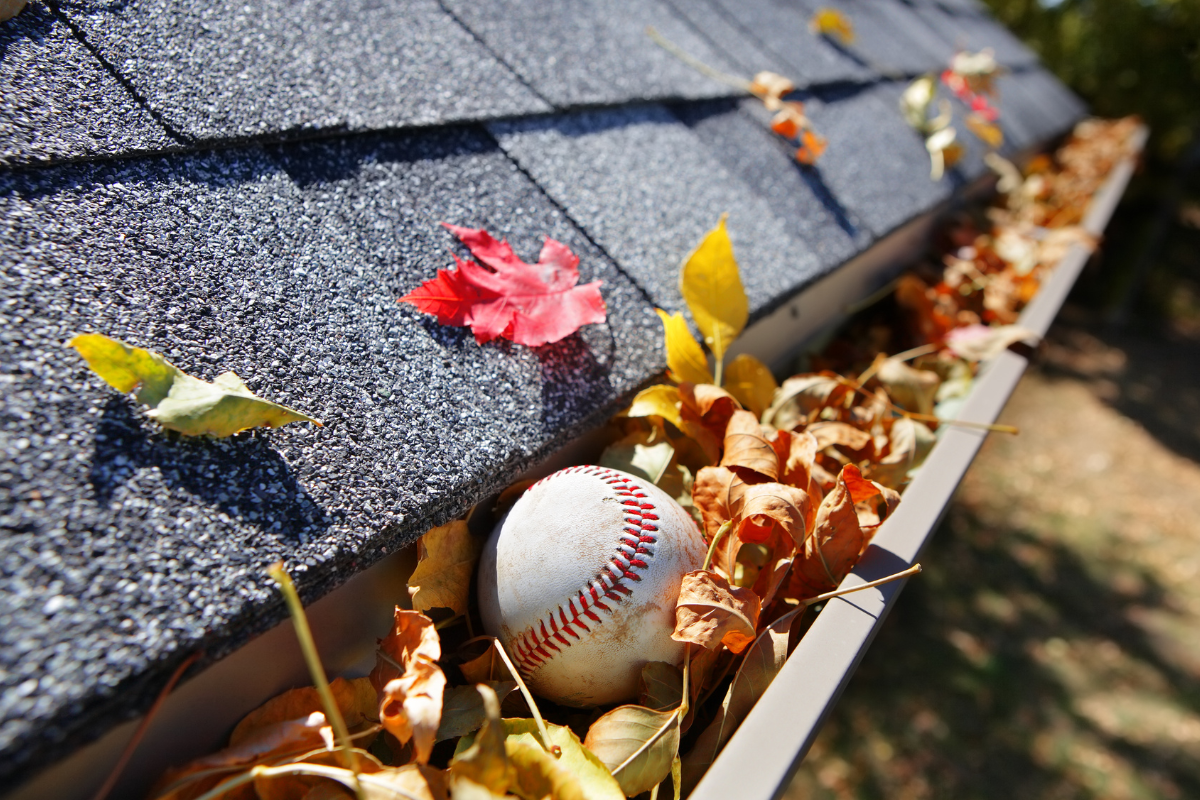
Downspouts must be kept clear and directed away from the foundation to prevent basement flooding, foundation damage, and landscape erosion. Clogged gutters overflow during rainstorms, sending water cascading down exterior walls where it saturates siding, rots trim, and seeps into basements. Proper water management through functional gutters protects your home’s most expensive structural components from water damage.
Prevent debris buildup by installing a RainTech gutter system that incorporates gutter guards, reducing maintenance while ensuring consistent water flow. RainTech’s ice system includes an integrated heat cable that creates a heated gutter guard, keeping the system working even during extreme winter weather.
2. Roof Inspection
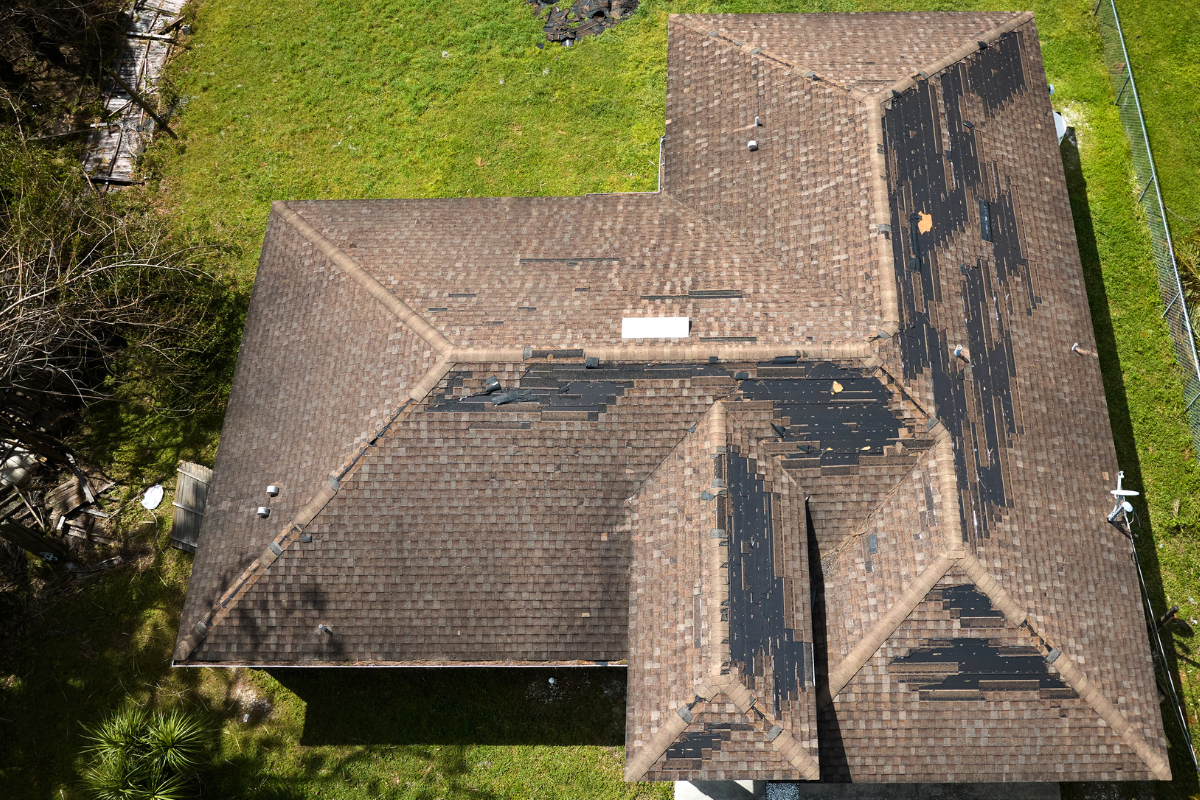
Unnoticed shingle damage can lead to active leaks under melting snow and heavy rain when water finds pathways through compromised roofing materials. Small cracks or lifted shingles that seem insignificant during dry weather turn into entry points during storms when wind-driven rain or snowmelt tests every weakness. What starts as minor water intrusion quickly becomes stained ceilings, damaged insulation, and rotted roof decking requiring extensive repairs.
Look for missing, loose, or damaged shingles that expose underlayment to weather or allow water to penetrate the roof system. Wind storms lift shingle edges, hail cracks surfaces, and age causes brittleness that leads to breakage. Each damaged shingle represents a potential leak point requiring prompt attention.
Check for exposed nails that have worked loose over time, flashing issues around chimneys and vents where seals have deteriorated, or sagging areas indicating structural problems beneath the surface. These warning signs help professional roof inspection teams identify problems before they cause interior damage.
3. Trimming Overhanging Branches
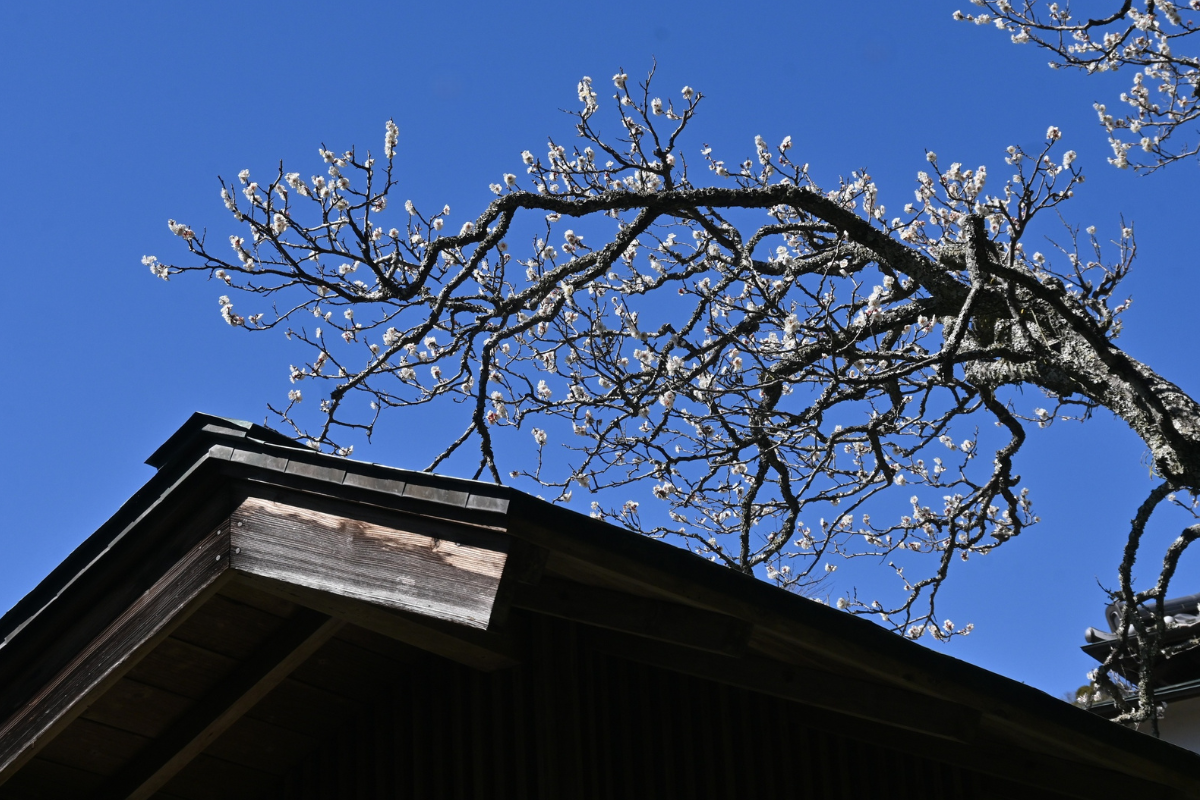
Untrimmed branches cause storm damage and roof punctures when wind or ice loads cause them to break and fall onto your home. A branch that sways harmlessly in summer breezes becomes a dangerous projectile during winter storms when ice weight multiplies its mass. Even moderate winds can send heavy limbs crashing through roofing materials, creating emergencies that require immediate repair.
Reduce the risk of falling limbs during snow or wind storms by maintaining proper clearance between trees and your roof, ideally keeping branches at least six feet away from all surfaces. This clearance prevents contact during storms while allowing trees to enhance your property’s appearance and provide shade. Professional trimming services understand safe distances and proper techniques that protect both trees and structures.
Prevent branches from scraping shingles and damaging siding during windy conditions through regular trimming that eliminates contact points. Constant abrasion wears away protective granules on shingles and scratches siding surfaces, accelerating deterioration and creating entry points for moisture. Even light contact during every breeze adds up to significant damage over months and years.
4. Siding & Trim Review
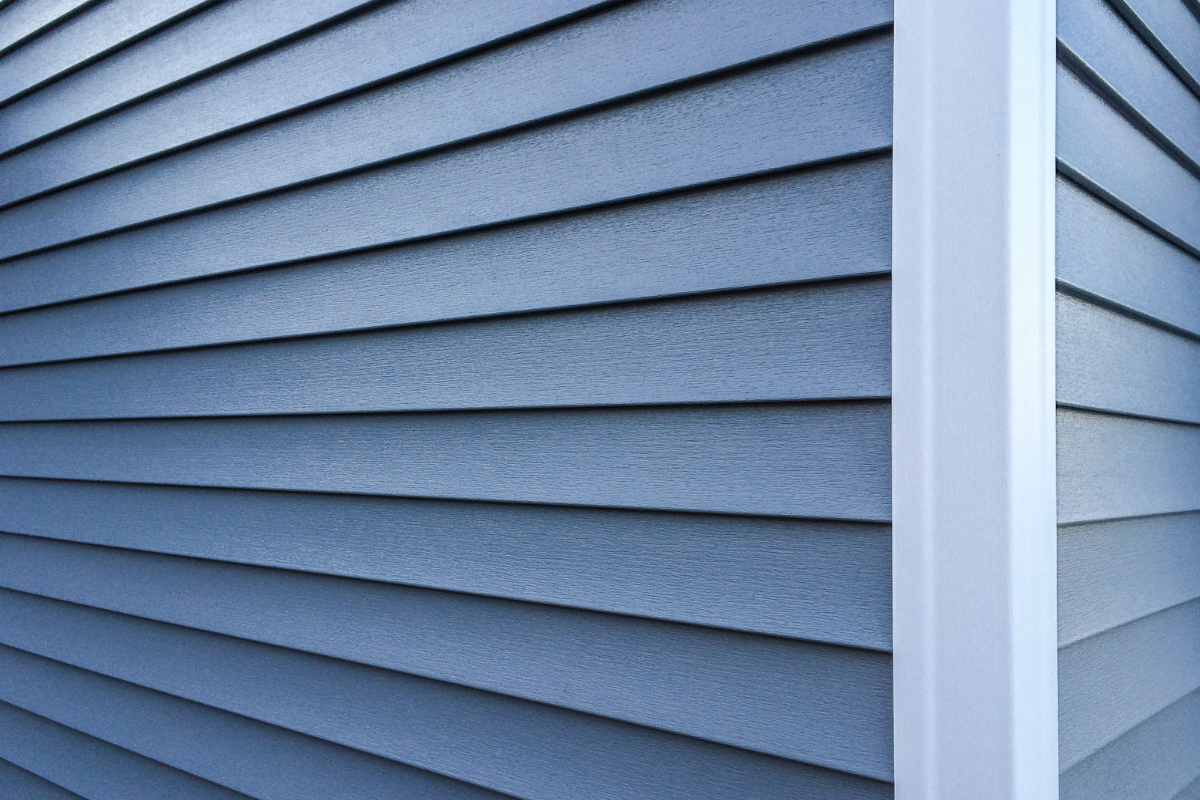
Identify cracks, rot, or loose panels that compromise your home’s protective envelope and allow moisture infiltration. Cracked siding permits water to reach sheathing and framing, where rot develops unseen until structural damage becomes extensive. Loose panels flutter in the wind, causing additional damage and allowing air and water infiltration, which increases energy costs and promotes mold growth.
Check caulking and sealants around joints and transitions where different materials meet, as these vulnerable points are often the first to fail. Temperature fluctuations cause caulk to crack and separate, creating gaps that look minor but allow significant water penetration. Professional siding services include figuring out what your siding problems may be and what method you can take to correct the problem.
5. Chimney & Vent Flashing Inspection
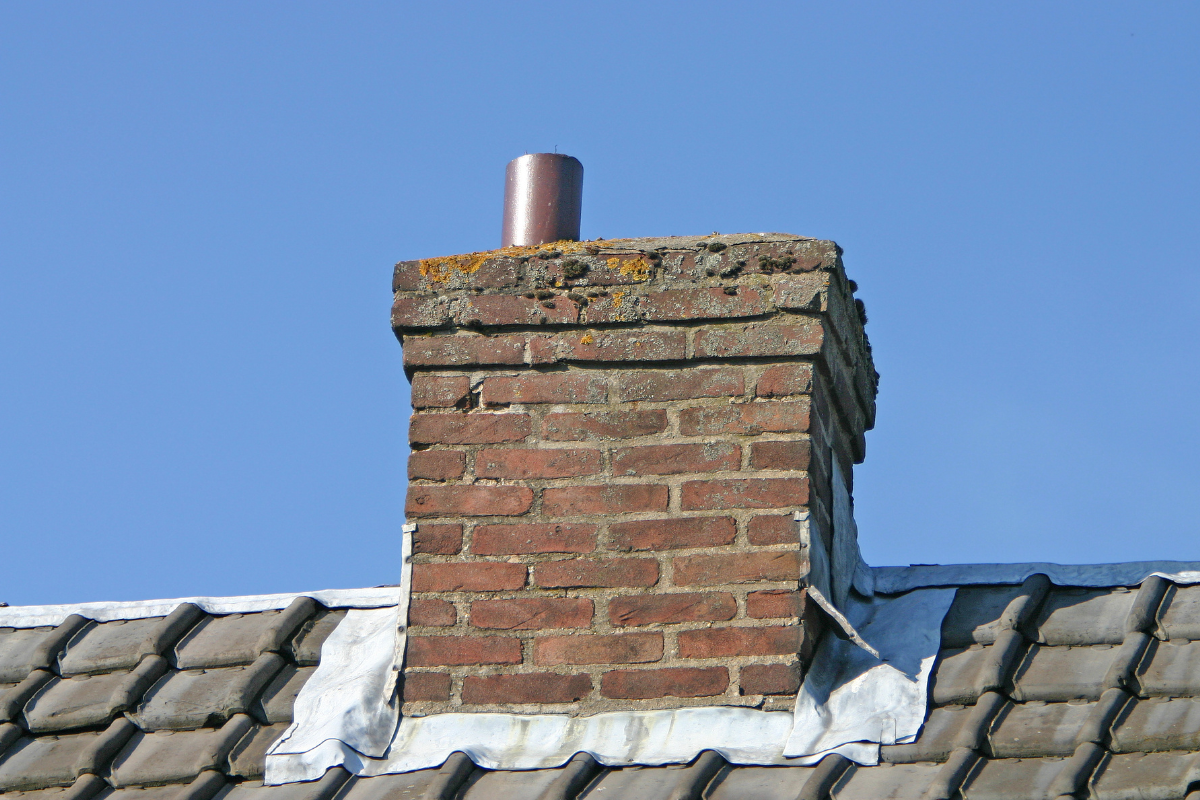
Ensure watertight seals around penetrations where chimneys, vents, and pipes pass through the roof, as these areas present the highest leak risk on any roof. Flashing creates weathertight transitions between different materials and surfaces, but sealants degrade, metal corrodes, and connections loosen over time. Even small gaps around flashing allow water to enter the roof cavities where damage spreads unseen.
Identify early signs of rust or separation around flashing before minor issues become major leaks requiring extensive repairs. Surface rust indicates the beginning of flashing failure, while separation between flashing and adjacent materials creates direct water entry paths. Catching these problems during routine inspection allows simple repairs that restore protection without requiring emergency service or interior repairs.
6. Windows, Doors, and Sealing Points
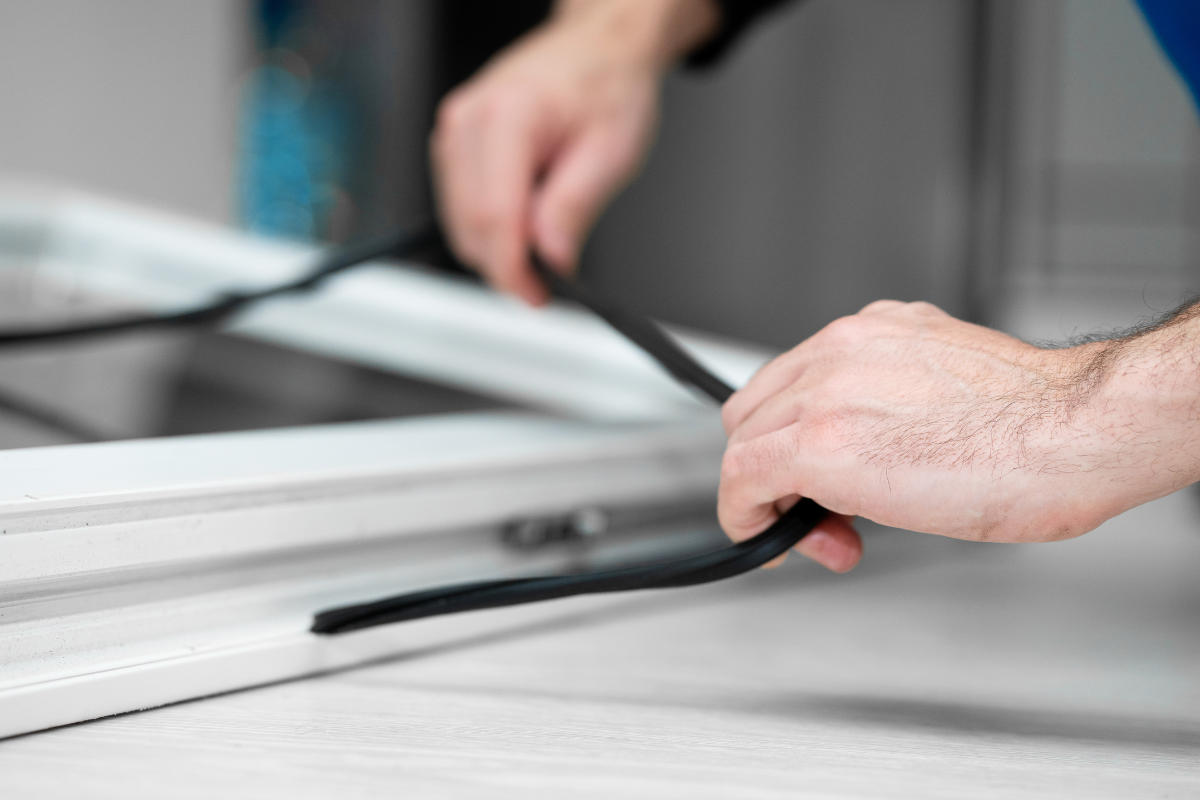
Inspect caulking and weatherstripping around windows and doors for cracks or gaps that allow air and moisture infiltration. Deteriorated seals create drafts that make rooms uncomfortable, increase heating and cooling costs, and allow moisture to penetrate wall cavities, where it can cause rot. Visual inspection, combined with a draft check on windy days, identifies problem areas requiring attention.
Identify areas where cold air and moisture can enter during freezing temperatures, particularly around older windows and doors where original seals have failed. Cold air infiltration creates uncomfortable rooms, ice buildup on interior surfaces, and dramatically increased heating bills. Moisture that enters wall cavities can freeze and thaw repeatedly, accelerating structural damage.
Proper sealing helps maintain indoor comfort and reduces heating costs by preventing conditioned air from escaping and outside air from entering. Energy-efficient windows combined with professional installation and proper sealing create comfortable, efficient homes that cost less to heat and cool while protecting structural components from moisture damage.
DiGiorgi is Your Seasonal Home Expert
Addressing your home’s condition before extreme weather arrives protects your investment and prevents emergency situations during storms when repair services are overwhelmed, and costs escalate.
DiGiorgi’s decades of experience of improving Connecticut homes mean we understand the problems that arise in our climate. Since 1933, four generations of the DiGiorgi family have protected homes throughout Connecticut and southern Massachusetts, building expertise that comes only from thousands of projects across every weather condition our region experiences.
Schedule a professional quote today by calling (203) 723-6880 to protect your home before the next storm.