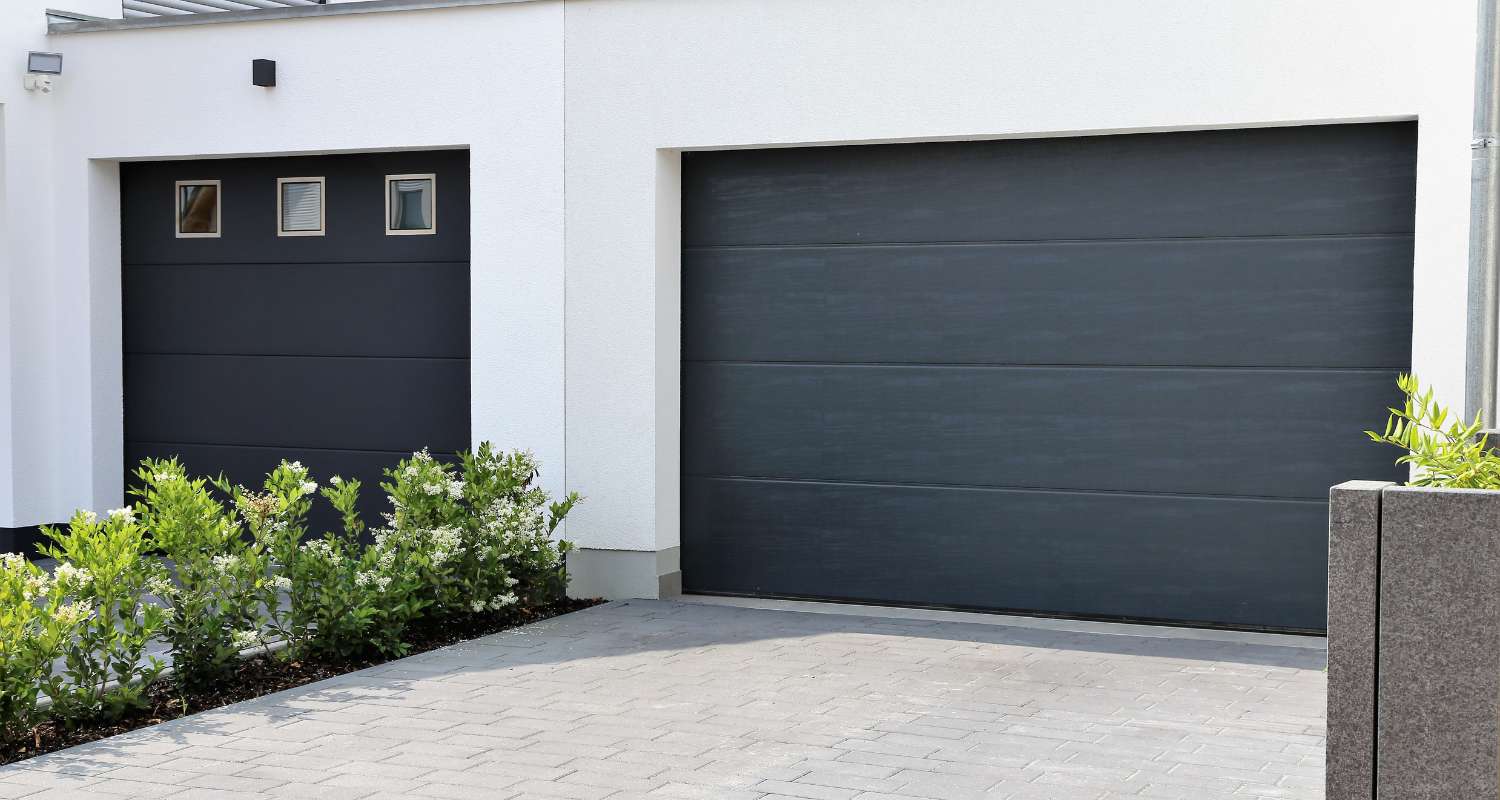
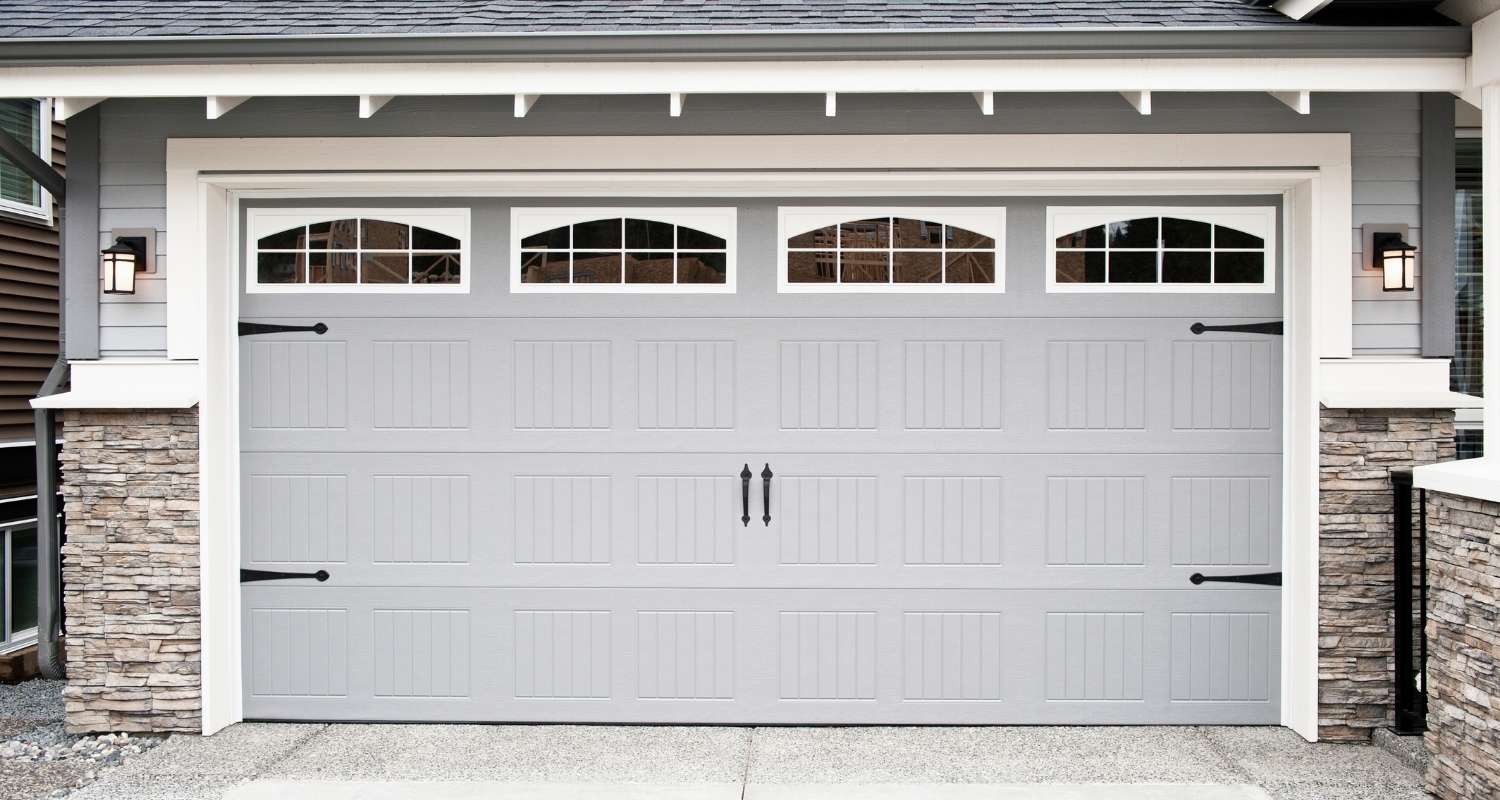
While homeowners often focus on roofing and siding, the garage is a vital component of the home’s thermal envelope that is frequently overlooked. As one of the largest openings in your house, the garage door serves as a significant “thermal bridge,” allowing outside air to impact the temperature of your entire living space.
DiGiorgi Roofing & Siding understands that true energy efficiency requires a holistic approach. By upgrading to an insulated garage door, Connecticut homeowners can achieve immediate, measurable improvements in comfort and utility costs.
What Are Insulated Garage Doors?
Unlike standard hollow doors, which consist of a single thin metal layer and offer virtually no thermal resistance, an insulated garage door is a precision-engineered barrier. It is designed specifically to prevent temperature exchange between the interior of your garage and the harsh New England environment.
Multi-Layered Structural Integrity
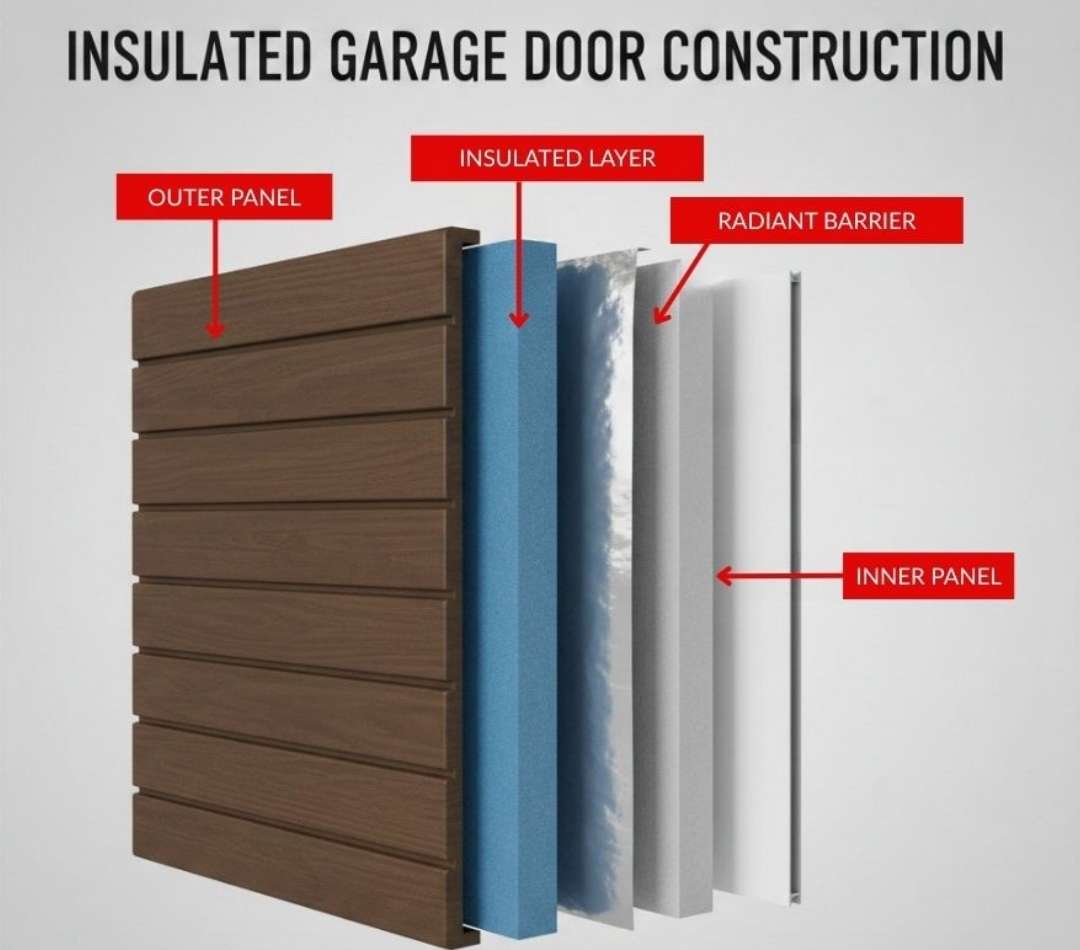
The core of an insulated door features a specialized insulation layer sandwiched between an exterior and interior panel, typically made of steel or composite materials.
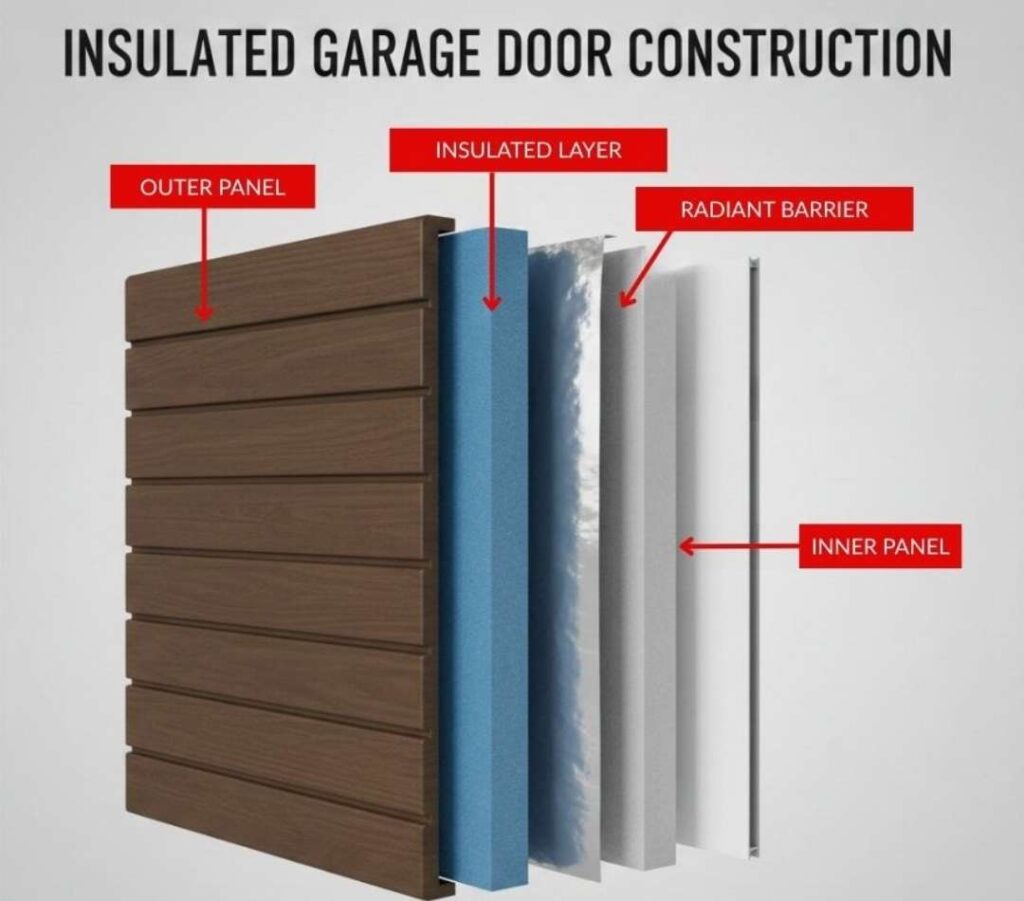 Thermal Barrier: This construction traps insulating material within the door, creating a shield that resists heat transfer.
- Performance vs. Hollow Doors: Non-insulated doors conduct outdoor temperatures rapidly, feeling icy in the winter and radiating heat like an oven in the summer.
- Panel Strength: Beyond thermal control, the added core stiffens the panels, making the door significantly more resistant to dents and impacts.
Primary Types of Garage Door Insulation
Choosing the right material is essential for balancing your budget with your performance goals.
Polystyrene Insulation: This budget-friendly option uses rigid foam panels cut to fit between the door’s steel skins. It provides basic thermal protection that significantly outperforms non-insulated alternatives while keeping installation costs moderate.
Polyurethane Insulation: For those seeking superior performance, polyurethane foam is injected directly into the door. As it expands, it fills every cavity and bonds to the door skins, delivering much higher R-values and enhanced structural strength compared to polystyrene.
Decoding R-Value Ratings
When evaluating doors, the R-value is the industry standard for measuring a material’s resistance to heat flow. A higher R-value indicates more effective insulation and better energy efficiency.
Choosing the Right Level for Connecticut
Our region faces extreme climate challenges, from sub-zero winters to humid summers.
- Typical Ranges: Quality doors usually span from R-8 (basic polystyrene) to R-18 or higher (premium polyurethane).
- The Optimal Balance: For Connecticut homes, doors in the R-12 to R-18 range generally provide the best long-term value and performance.
- Impact: A door rated at R-16 provides dramatically better temperature control than an R-8 model, meaning less heat escapes in the winter and less outdoor heat penetrates in the summer.
Advantages of Garage Door Insulation Solutions
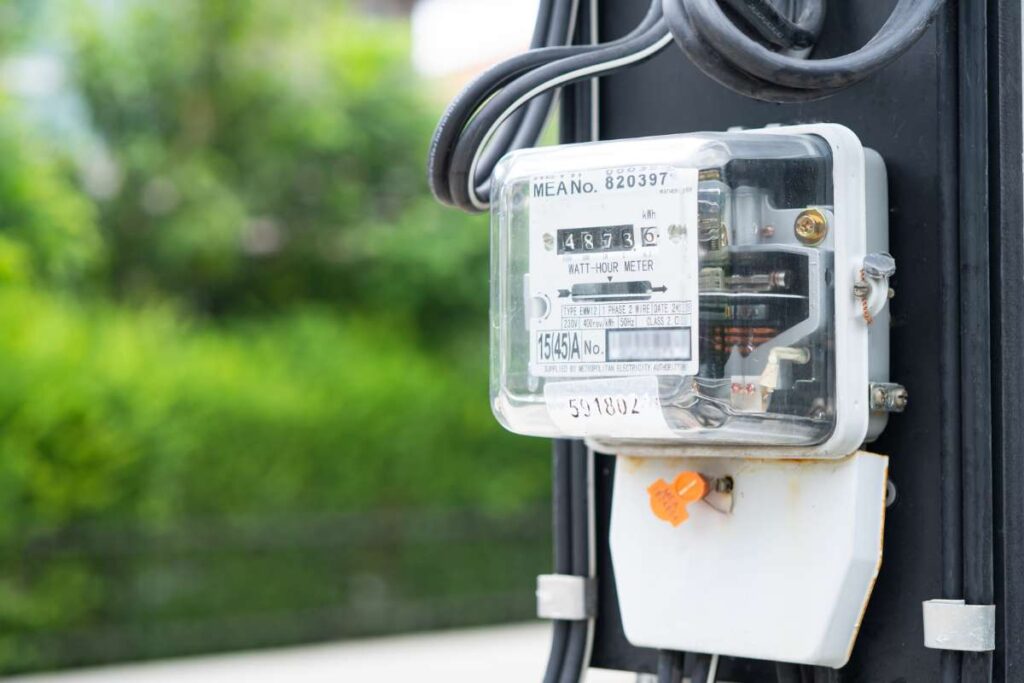 Reduced Energy Costs
By limiting heat loss in winter and heat gain in summer, insulated doors help stabilize temperatures in adjacent rooms. This reduces demand on heating and cooling systems, leading to lower monthly utility bills and less HVAC wear.
Improved Comfort Throughout the Home
Rooms next to or above the garage experience fewer cold drafts and hot spots. This is especially valuable for finished spaces like bedrooms, offices, and family rooms.
 Quieter Operation
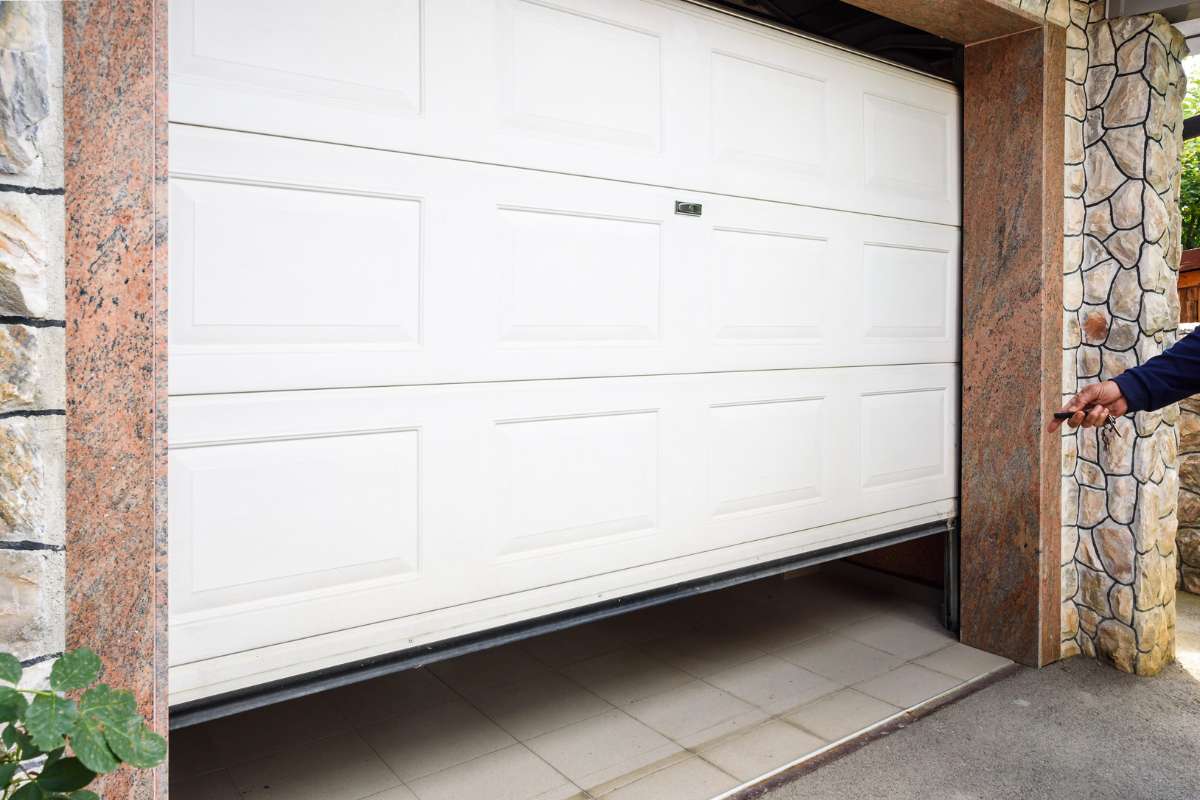
The insulation core dampens vibration and sound, reducing noise from both street activity and garage door operation, an often-overlooked quality-of-life improvement.
Greater Strength and Longevity
Insulated doors are more resistant to dents, warping, and everyday impacts. Their reinforced construction typically leads to a longer service life compared to hollow doors.
Increased Home Value and Curb Appeal
Energy-efficient upgrades remain highly attractive to buyers. A modern insulated garage door signals thoughtful home maintenance while enhancing exterior appearance.
3 Factors For Homeowners To Consider When Choosing Insulated Garage Doors
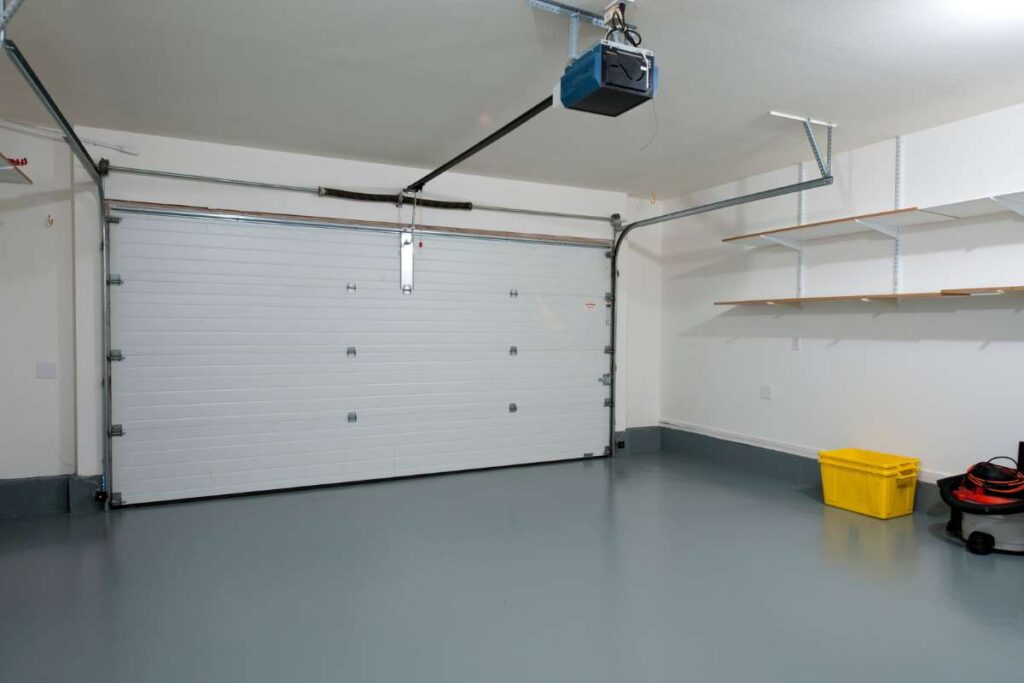 1. How You Use the Garage

Garages used only for vehicle storage may not require the highest insulation levels, while garages that double as workshops, gyms, or storage for sensitive equipment benefit from stronger thermal protection.
2. Insulation Performance
Homes in colder climates benefit from higher insulation ratings that maintain consistent temperatures and prevent heat loss during winter months.
3. Materials, Thickness, and Style
Steel and composite doors each offer advantages in durability and weather resistance. Panel thickness and construction quality directly impact both insulation performance and long-term reliability.
Modern insulated garage doors are available in a wide range of styles, allowing homeowners to improve efficiency without sacrificing curb appeal.
Explore Insulated Garage Doors as Part of a Smarter Exterior Upgrade
An insulated garage door is more than a convenience upgrade, it’s a strategic investment in comfort, efficiency, and durability. When selected and installed correctly, it can reduce energy costs while improving how your home feels every day.
If you’re considering a garage door upgrade or want to understand how it fits into your broader exterior improvement plans, DiGiorgi Roofing & Siding is here to help.
Contact DiGiorgi Roofing & Siding today at 800-428-6438 or request a quote online to begin your comprehensive consultation and professional installation. Let us help you identify the perfect garage door insulation solution to enhance your home’s efficiency and comfort for decades to come.